

The NC Registry connects people with clinical research studies on brain health and potential new treatment options. We welcome you to join the NC Registry to receive emails about brain health and support for caregivers. If you sign up for the NC Registry, you will also receive emails about research studies that may fit your background and interests. Your participation in any research study is completely voluntary - it is up to you to decide if you want to participate or not.
Explore the titles below to learn about each study. If you are interested in participating or would like more information, please fill out the Studies Interest Form.
Studies for People with Normal Brain Aging
Black American United Memory & Aging Project
This study was developed to identify social, cultural, behavioral, environmental, and biological factors that may affect our memory as we age and put some people at a greater risk for memory loss.
Did you know that Alzheimer’s disease is the 4th leading cause of death among older Black Americans?
This is particularly alarming given that Black Americans:
- Are two times more likely to develop late-onset Alzheimer’s disease.
- Are diagnosed in the later stages of the disease.
- They present with greater memory impairment when they see a doctor and are diagnosed at later disease stages compared to whites.
What the study will learn from this project will help researchers in the future better understand how to treat the disease and, hopefully, one day, how to cure it.
You may be eligible to participate in this study if you:
- Identify as a Non-Hispanic Black American
- Are age 55 and older
- Have not been diagnosed with Alzheimer's disease or any type of dementia
Participants will be compensated.
Fill out the Studies Interest Form for more information.
Memory and Brain Stimulation Study 
This study is currently enrolling individuals with a diagnosis of mild cognitive impairment and healthy people (ages 18-75 years) to evaluate interactions of transcranial magnetic stimulation (TMS) with memory function.
Participation includes an MRI and EEG recordings of brain function. Compensation is available.

Fill out the Studies Interest Form for more information.
Pragmatic Evaluation of Events and Benefits of Lipid-lowering in Older Adults (PREVENTABLE)

Could taking a commonly used heart medication prevent dementia?
What is the PREVENTABLE study?
PREVENTABLE is one of the largest studies in older adults. The goal is to learn if taking a statin could help older adults live well for longer by preventing dementia, disability, or heart disease. This is a study about preventing memory loss and dementia – something we all care about.
You may be a good fit for the study if you:
- Are 75 years or older
- Are not taking a statin
- Do not have heart disease (heart attack or stroke)
- Do not have dementia
Taking part in PREVENTABLE is easy.
Participants can join the study at home by phone or videoconference, get study drug by mail, and be followed by phone, health records or home visits, if necessary.
“This is not just a statin study – it is a study about cognitive health”
By participating, you will leave a legacy by advancing science for healthy brain aging helping generations to come!
Duke University, Wake Forest University, and University of North Carolina at Chapel Hill
Fill out the Studies Interest Form for more information.
Genetic Studies in Familial Dementia (African Americans)
Alzheimer's. It runs in our families.
Alzheimer's affects African Americans twice more than other races and there is no cure. Scientists are conducting research on Alzheimer's Disease and we need your help! We are seeking families where two or more family members are affected with memory loss or dementia to join this research study. Participants are not required to travel and they receive monetary compensation. Contact us today if you are interested in making Alzheimer's a memory.

Fill out the Studies Interest Form for more information.
Non-Invasive Study to Assess Retinal Blood Vessels in the Eyes (iMIND)
We are recruiting cognitively normal adults over 18 years old for a study to take non-invasive pictures of the retina of the eyes.
About the Study
- Noninvasive pictures will be taken of the retina of the eyes.
- No x-rays, no eye drops, no eye contact are involved.
- The study visit takes 30-45 minutes.
- There will be no charge to you or your insurance.
- Participants will be compensated.
Who Is Eligible?
- Cognitively normal
- 18 years or older
Who Is Not Eligible?
- Have had prior retina surgery
- Are not willing to have undilated pictures taken of their eyes
- Have any of the following:
- Alzheimer’s disease
- Dementia
- Down syndrome
- Frontotemporal dementia
- Lewy body dementia
- Mild cognitive impairment
- Multiple sclerosis
- Parkinson’s disease
- PTSD
- Traumatic brain injury
- Other neurodegenerative condition

Fill out the Studies Interest Form for more information.
What is normal memory loss as we get older?
 The Memory and Aging Study will identify the biological factors involved in normal brain aging and disease. We need a group of people of different backgrounds to participate in this important research which we hope will have a positive impact in your community.
You may participate if you are:
-
- Between ages 25 and 44
- Willing to attend annual study visits and participate in any or all study procedures:
- Brain imaging (MRI)
- Memory evaluations
- Blood tests
- Spinal fluid sample
You will be paid for your participation.
In collaboration with:
Fill out the Studies Interest Form for more information.
LAMP: Memory and thinking skills in Latinos

What is LAMP?
It is a study that seeks to understand how Spanish-speaking people living in the US perform on cognitive tests (meaning tests of memory and other thinking skills).
You may qualify if:
- You are between 60 and 85 years old
- You are Hispanic or Latino/a
- Speak Spanish
- Results of your memory tests at no cost to you.
- Flexible hours to schedule study visits.
- You will receive payment for your time.
- Assistance available for transportation to study visits.
- All information is confidential and voluntary.
Let's make a difference in the community
Fill out the Studies Interest Form for more information.
LAMP: Latinos, Memoria y Pensamiento
¿Qué es LAMP?
Es un estudio de investigación que busca entender cómo las personas que hablan español y viven en los EE.UU. se desempeñan en las pruebas cognitivas (es decir pruebas de memoria y otras habilidades del pensamiento).
Usted Podría Calificar Si:
- Tiene entre 60 y 85 años de edad
- Es hispano/a o latino/a
- Habla español
- Resultados de sus pruebas de memoria sin costo para usted.
- Horario flexible para programar las visitas del estudio.
- Recibirá un pago por su tiempo.
- Ayuda disponible para el transporte a las visitas del estudio.
- Toda la información es confidencial y voluntaria.
Hagamos una diferencia en la comunidad
Fill out the Studies Interest Form for more information.
How does your brain turn sugar into energy? 
This study is seeking healthy people to participate in an MRI study to help them learn more about how the brain turns sugar into energy.
Participation includes:
- Physical exam
- Blood work
- A sugary beverage
- IV sugar infusion
You may be eligible if you are:
- Age 18-45 years old
- Have a BMI of 18.5-25 kg/m² or BMI 30-40 kg/m²
- Not taking prescription medications besides contraception or levothyroxine
You can receive compensation up to $425 depending on level of participation.

Fill out the Studies Interest Form for more information.
Studies for People with Memory Problems
Memory and Brain Stimulation Study
This study is currently enrolling individuals with a diagnosis of mild cognitive impairment and healthy people (ages 18-75 years) to evaluate interactions of transcranial magnetic stimulation (TMS) with memory function.
Participation includes an MRI and EEG recordings of brain function. Compensation is available.
Fill out the Studies Interest Form for more information.
Are you providing support to someone living with memory changes and pain?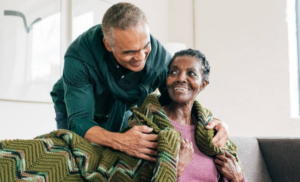
This program is designed to support you and your loved one manage challenges related to memory changes and pain. It is for older adults who have both diagnosed memory changes and pain on most days (such as arthritis, back pain, shoulder/neck pain, leg/foot pain, headaches) that interferes with their daily activities. Together, you will learn skills to help recognize and cope with pain and improve your quality of life.
This program includes five one-hour sessions at a time and location convenient for you (including by phone or video conference). Participants will be compensated $90 each.
Fill out the Studies Interest Form for more information.
Cognitive Training and Neuroplasticity in Mild Cognitive Impairment: COGIT-2 trial

Can Crossword Puzzles Help Improve Mild Memory Loss? Seeking volunteers with mild memory loss.
What Does the Study Involve?
- Memory testing
- Brain MRI scans
- Computer brain training with crosswords
- Compensation for time
Who Is Eligible?
Volunteers are eligible who:
- Are age 55-89 years
- Have experienced mild memory loss
- Do not currently do crossword puzzles on a regular basis
Fill out the Studies Interest Form for more information.
Genetic Studies in Familial Dementia (African Americans)
Alzheimer's. It runs in our families.
Alzheimer's affects African Americans twice more than other races and there is no cure. Scientists are conducting research on Alzheimer's Disease and we need your help! We are seeking families where two or more family members are affected with memory loss or dementia to join this research study. Participants are not required to travel and they receive monetary compensation. Contact us today if you are interested in making Alzheimer's a memory.
Fill out the Studies Interest Form for more information.
Non-Invasive Study to Assess Retinal Blood Vessels in the Eyes (iMIND)
What Is the Purpose of the Study?
The purpose of the study is to obtain noninvasive images of the retina of the eye to study various neurodegenerative diseases.
Who Is Eligible?
- Alzheimer’s disease
- Concussion
- Dementia
- Down syndrome
- Frontotemporal dementia
- Lewy body dementia
- Mild cognitive impairment
- Multiple sclerosis
- Parkinson’s disease
- PTSD
- Traumatic brain injury
- Other neurodegenerative condition
Who Is Not Eligible?
- Are in a wheelchair
- Have significant head tremor
- Have had prior retina surgery
- Are not willing to have undilated pictures taken of their eyes
About the Study
- Noninvasive pictures will be taken of the retina of the eyes.
- No x-rays, no eye drops, no eye contact are involved.
- The study visit takes 30-45 minutes.
- There will be no charge to you or your insurance.
- Participants will be compensated.
Fill out the Studies Interest Form for more information.
Music Sleep Study 
Do you care for someone with memory problems who also has trouble sleeping?
The goal of this in-home research study is to introduce music that promotes healthy sleep and improves overall well-being of adults with memory loss.
About the Study
You will be randomized (like a flip of a coin) into either the treatment or control group.
- Treatment Group
- Listen to music for four weeks with a three-month follow-up
- Collect saliva samples for two consecutive days at the beginning and at the end of a four-week period
- Control Group
- Learn more about sleep hygiene for four weeks with a three-month follow-up
- No collection of saliva sample
- At the end of four weeks, you will be asked questions about your experience with the mobile application, which includes a short interview over Zoom.
- Upon completion of the study, you will receive a gift card for a total of either $250 (Treatment Group) or $200 (Control Group).
Who is eligible for the study?
People who qualify:
- Care for someone with memory problems who lives at home and has trouble sleeping
- Care for someone age 60 or over
Fill out the Studies Interest Form for more information.
Studies for Caregivers
African American Caregiver Pilot Sleep Study
You may be eligible for this study if you are:
- An African American adult
- Over the age of 40
- Serving as an informal caregiver for a loved one with dementia
- Willing to complete memory and thinking tests
- Willing to complete take home sleep study devices

Fill out the Studies Interest Form for more information.
Are you providing support to someone living with memory changes and pain?
This program is designed to support you and your loved one manage challenges related to memory changes and pain. It is for older adults who have both diagnosed memory changes and pain on most days (such as arthritis, back pain, shoulder/neck pain, leg/foot pain, headaches) that interferes with their daily activities. Together, you will learn skills to help recognize and cope with pain and improve your quality of life.
This program includes five one-hour sessions at a time and location convenient for you (including by phone or video conference). Participants will be compensated $90 each.
Fill out the Studies Interest Form for more information.
Music Sleep Study
Do you care for someone with memory problems who also has trouble sleeping?
The goal of this in-home research study is to introduce music that promotes healthy sleep and improves overall well-being of adults with memory loss.
About the Study
You will be randomized (like a flip of a coin) into either the treatment or control group.
- Treatment Group
- Listen to music for four weeks with a three-month follow-up
- Collect saliva samples for two consecutive days at the beginning and at the end of a four-week period
- Control Group
- Learn more about sleep hygiene for four weeks with a three-month follow-up
- No collection of saliva sample
- At the end of four weeks, you will be asked questions about your experience with the mobile application, which includes a short interview over Zoom.
- Upon completion of the study, you will receive a gift card for a total of either $250 (Treatment Group) or $200 (Control Group).
Who is eligible for the study?
People who qualify:
- Care for someone with memory problems who lives at home and has trouble sleeping
- Care for someone age 60 or over
Fill out the Studies Interest Form for more information.
My Care to Take Care Research Study
Join us for four weeks of music therapy and mindful movement sessions delivered online for care partners of people with Parkinson's disease who live in North Carolina or South Carolina.
You may qualify if you:
- Provide care/assist an adult (18+) diagnosed with Parkinson's disease for at least 5 hours/week for the past 3 months
- Live in North Carolina or South Carolina
What the program includes:
- Four sessions delivered online in real time, each lasting 60 minutes
- Surveys will occur at various points in the program, including two and four weeks after the program. These will last no more than 10 minutes.
- An online focus group four weeks after the program ends
- Total program participation is about six hours
Fill out the Studies Interest Form for more information.
Completed Studies
Please note: the studies listed below are no longer enrolling participants.
How does your brain change with age? 
Duke Medical Center is looking for healthy adults 18-29 and 60-79 years of age.
With your participation, we can learn more about how attention, memory, and decision-making abilities are affected by aging.
Participants will be asked to participate in:
- 1 in-person session: clinic visit (1.5-2.5 hours)
Participants will be compensated for their time.
In collaboration with:
How does your brain change with age?
Duke Medical Center is looking for healthy adults 80-89 years of age.
With your participation, we can learn more about how attention, memory, and decision-making abilities are affected by aging, and how different regions of the brain contribute to these abilities!
Participants will be asked to participate in:
- Session 1: clinic visit (2-2.5 hours)
- Session 2 (if eligible): MRI visit (1.5-2 hours)
Participants will be compensated for their time.
In collaboration with:
Bridging Equity and Access in Care and Outcomes for DemeNtia (BEACON)
Are you, or someone you care for, living with dementia?
What is the BEACON Study?
Researchers want to learn what is most important to you and caregivers when getting healthcare. We want to better understand how to improve care for people living with dementia.
How does it work?
- Fill out the contact information form
- Complete a quick phone screening. We'll call you to ask a few more questions to see if you qualify.
- Chat with our team on Zoom (or phone). If chosen to participate, we will schedule a time to talk for about 1 hour. We want to hear your thoughts and experiences about healthcare services.
Participants receive a $50 gift card for completing the conversation with a team member.
Health and Well-Being of People with Dementia and Their Family Caregivers Study

If you have dementia or mild cognitive impairment and/or need help performing daily activities, then we want to hear from you and/or your caregiver!
Join us for a research study by participating in a survey expressing your needs and thoughts about how to best serve you and your caregiver. The purpose of this study is to better understand the needs and experiences of those facing the disease and their caregivers to improve health and well-being.
What Will Happen in the Research?
Once you consent to participate in the study, you will be asked to provide your name and email address for the communication purpose regarding the research
study. There will be two surveys; one will be completed by the caregiver and the other will be completed by the person with dementia. The survey will take approximately 30 minutes. The person with dementia can also participate in the focus group session.
Who is Eligible?
Caregiver
- Do you take care of an adult (age 50 years or older) with dementia or cognitive impairment?
- Do you provide help to a person with a variety of daily living tasks such as eating, dressing, etc., for at least five hours per week for the past three months or longer?
- Do you receive no financial compensation for your assistance?
- Receive $15 gift card for survey completion.
Person with Dementia
- Do you have a dementia diagnosis and/or need help performing daily living activities (e.g., eating, dressing, etc.)?
- Do you receive help without paying the person who helps you?
- Receive $15 gift card for survey and $15 for focus group participation

Examining the complex relationship between the emotional well-being of family caregivers and their care recipients with cognitive impairment

We are looking for volunteers to help us learn more about the complexity involved in the experiences and needs of family caregivers who provide care to those with cognitive impairment.
You may be eligible to participate if you:
- Are over 18 years old
- Are a family caregiver providing care to their loved one aged 65+ with a diagnosis of mild cognitive impairment or dementia
Participation includes one structured focus group workshop session that will take up to 4 hours and an optional follow-up interview that will take up to 1 hour.
Participants will be compensated $100 for their time.
Focus group sessions will be held in Chapel Hill, NC. Specific location is to be determined. Follow-up interviews will occur virtually.
The RepMem study is seeking adult, English-speaking participants for a study on how we think about objects. The goal of the study is to develop a better understanding of the effects of healthy aging on our representations for visual stimuli, and how this information might help contribute to the diagnosis of early AD and the development of memory training methods.
Participants will come into the lab at Duke’s Center for Cognitive Neuroscience for two separate testing sessions, and responses to visual stimuli will be tested in order to relate the brain images collected via functional magnetic resonance imaging (fMRI). The visual stimuli presented will be images of objects or scenes that many participants see in their daily life, or have general knowledge about (e.g. a penguin, an orange, a farm). Results from this project will advance our understanding of how age effects how we think about objects in daily living, and how object memories change across the lifespan. This research study is directed by Drs. Simon Davis and Roberto Cabeza, and is funded by the National Institutes on Aging.
You will be compensated for your study participation.

Duke University Center for Cognitive Neuroscience
The Effects of Aging on Word Prediction
Are you:
- Ages 18-35 or 65-85
- Native English speaker
- With no history of neurological or major psychiatric illness?
You may be eligible to participate in a research study on cognitive aging.
Participation involves:
- A 1-1.5 hour in-person visit to UNC-Chapel Hill
- Compensation of $15 per hour of participation
- Parking pass upon request
Can Brain Training Help Improve Mild Memory Loss?
Seeking volunteers with Mild Memory Loss for a new study.
Research Study Involves:
- Age 55-95 years
- Memory testing
- Brain MRI scans
- Computer Brain Training
Compensation for time and travel provided.
Preventing Alzheimer's with Cognitive Training (PACT) Study
We are seeking help for Preventing Alzheimer’s with Cognitive Training.
Every day, our dedicated team of researchers is working to find ways to prevent dementia, such as Alzheimer’s disease. We can’t do it alone. If you’re aged 65 and older, please volunteer for the PACT (Preventing Alzheimer’s with Cognitive Training) research study to see if computerized training exercises can reduce the risk of dementia.
Can You Help?
You may qualify if you:
- Are 65 years of age or older
- Do not have any neurological disorders
- Have not had a stroke or brain injury
- Do not have mild cognitive impairment or dementia such as Alzheimer’s disease
Potential Benefits of Computerized Training Exercises
Our research has shown that brain games may:
- Protect against dementia such as Alzheimer’s disease
- Enhance mental quickness and visual attention
- Improve gait speed and balance
- Improve driving safety
- Maintain health and well-being
- Allow you to perform everyday tasks more efficiently
- Protect against depression
Your Commitment
If you qualify, study participation takes about three years and includes 3 study visits of up to 2 hours each. You will also complete 45 one-hour computer training sessions on your own, in your own home.
IGROOVE: A Dance and Music Study for Older Adults with Memory Concerns 
By joining the IGROOVE study, you can have fun and learn something new while helping to create knowledge about whether participating in the arts can improve heart and brain health. You’ll have the opportunity to meet new people, learn new things, and be social, all while contributing to the future of aging care and research.
Did you know physical activity, being social, and cognitive challenges are all important for brain health as you get older?
You may qualify to participate if you:
- Are 65 years old or older
- Have concerns about your memory, but no diagnosis of memory loss
- Would like to be more physically active
- Can commit to attend classes for up to three hours a week for six months
- Enjoy movement and music
You will learn about music and movement from experts in our community and you will be compensated for your time.
In collaboration with:


Time-Restricted Eating for Metabolic and Psychological Optimization (TEMPO)
Improve your brain and body health!

UNC TEMPO Research Trial
TEMPO stands for Time restricted Eating for Metabolic and Psychologic Optimization.
In this trial, we will study the effects of time-restricted eating times on mild cognitive impairment. Over 12 weeks, we will assess your memory and brain function, help you work on fasting with weekly trainings, and measure blood values via lab tests four times.
Who can join?
- 60 – 85 years old
- BMI over 30
- Changes in memory
- Sedentary
Benefits
Receive $200 for completing the study for the full 12 weeks.

Emotion and Physiology in Context (EPIC) Study
Do you want to learn more about your emotions? If you are aged 61+, you may be able to take part in a research study to explore how your brain and body create emotions.

The main purpose of The Emotion and Physiology in Context (EPIC) study is to better understand how brain function, physiology, and cognitive associations affect emotional experiences across the lifespan.
Who are we looking for?
People aged 61+ who want to participate in a brain imaging and physiology study.
What do you have to do?
- Virtual Session (~1 hour, Zoom): Participants will be asked to do cognitive tasks and complete surveys.
- Online survey (30 min; Virtual): Participants will be sent a link to do a survey at home.
- In-Lab Session (~2 hours; in-person): This session will take place at our lab space on UNC Chapel Hill's campus. Participants will be asked to complete a behavioral task, surveys and wear non-invasive physiological sensors on their body (i.e. ECG sensors).
- Remote Daily Surveys (~1hr per day; virtual): Participants will complete several surveys a day for 7 days.
- Scan Session (3 hours; in person: This session will take place at the UNC Chapel Hill Biomedical Research Participants will be asked to wear non-invasive physiological sensors on their body (i.e. ECG sensors) and complete an MRI scan.
During each session, participants will be answering questions about their physical and mental health, life experiences, emotions and cognitive associations. During the MRI scan, participants will be rating pictures. Some of the pictures may be upsetting. These pictures have been used in previous research studies; however, anyone with a severe phobia (i.e., extreme and uncontrollable fear of blood, spiders, snakes, corpses, weapons, and death) should consider not participating.
You will be compensated for your study participation.
University of North Carolina at Chapel Hill
Can Amazon Alexa Help Detect Memory Decline?
A research study to learn if voice recognition technology can help in the early detection of memory problems.
If you are 65 or older, you may be able to participate!*
*Internet access needed to participate virtually
- 2 hour study visit
- Compensation provided for time and travel
University of North Carolina at Chapel Hill
EXPosome in RobEson and Surrounding Counties: a Study of Brain Health (EXPRESS)
We are studying the microorganisms that live in your intestines and how they impact your brain health. We will ask that you provide a stool sample.
Are you 55 years or older?
Join our study and receive:
- Diet & cognitive screening
- Cholesterol & glucose test
- Blood pressure results
- Future blood tests
In collaboration with:

Experience, Advise, and Improve Brain Health Research

Join us to help improve the Add Health Parent Study!
We are looking for:
- Adults ages 65 and older
- People who speak English and/or Spanish
- Residents of the Research Triangle Park area
Your participation will:
- Help to improve health research with a one-time interview
- Contribute to an important study about healthy aging
- Help to inform health outcomes related to aging
What should I expect during my interview?
- Share your life experiences by answering questions about health and aging
- Complete tasks related to your health and brain
- Provide small blood and saliva samples
- Give your feedback about the interview
- Participate for about 2 hours and 15 minutes
- Receive $150 compensation in cash for completing the interview
 UNC Carolina Population Center
Infection and Inflammation in Mild Cognitive Impairment (MCI)
The purpose of this research study is to investigate the potential role of neuroinflammation in mild cognitive impairment (MCI).

Who is eligible?
- Ages 50-80
- Current diagnosis of mild cognitive impairment (MCI)
What will you receive?
- Up to $30
- Convenient parking at study site
What will be asked of you?
Participation involves one in-person visit to our clinic in Chapel Hill. You will be asked to complete several questionnaires, a brief cognitive test, and a single blood draw. The session typically takes about 45 minutes - 1 hour to complete. This study is purely observational and no treatment is involved.

University of North Carolina at Chapel Hill
Effect of a Ketogenic Diet on Alzheimer’s Disease Biomarkers and Symptoms: Brain Energy for Amyloid Transformation in AD Study (BEAT-AD)
Can a healthy diet improve memory?
We need your help to stop memory loss in older adults.
The BEAT-AD study is a 9-month study testing two different diets that may improve memory function and brain health in older adults who are experiencing mild memory problems.
The two study diets being compared are:
Mediterranean-style low-carb (ketogenic) diet or American Heart Association low saturated fat diet.
Who is eligible for BEAT-AD?
You may be eligible to participate in the study if you are:
- 55 – 85 years old
- Currently experiencing mild memory problems but do not have dementia or Alzheimer’s disease
- In good general health, and not taking medications for diabetes
What is involved when participating in BEAT-AD?
- Eligible volunteers will be placed in one of two groups at random, like flipping a coin
- One group will follow an American Heart Association low-fat diet for 4 months
- One group will follow a Mediterranean-style low-carb diet for 4 months
- Both groups will receive individual counseling with the study dietician, daily menus, and shopping lists
- Participants receive a physical exam, memory testing, and blood tests to check cholesterol, blood sugar, and general health both before, during, and after the study. A clinician will review your results with you at the end of the study, and give you personalized dietary recommendations
- Participants will receive a lumbar puncture (a common medical procedure) to collect a small amount of fluid twice during the study to help us understand how the diets affect important chemicals that are related to brain health
- Participants will receive brain scans twice during the study that will help us understand how the diets affect the brain
- You will be compensated for your study participation

Aging is the major risk for neurological (brain) disorders; delirium (confusion) is the most common complication in older adults following surgery, yet we do not know how to prevent it. Patients with pre-existing neurodegeneration (brain decline) are at even higher risk of developing postoperative complications after surgery. The proposed research will investigate the contribution of the gut microbiota (bacteria) to this serious public health concern.
You may be eligible for this research study if you:
- Are 60 years old or older
- Have NOT taken antibiotics over the last six months or over-the-counter probiotics capsules over the last month
Summary of Participation:
- The study consists of a 3-page survey about your diet
- Collect and submit a single fecal (stool) sample
Nature of the Study
- This study seeks to understand how gut bacteria contribute to confusion. We are particularly interested in knowing if this bacteria in children protects from disorders that cause the brain to decline as people get older.
- Participation is entirely voluntary. Participants will receive compensation after completion of the survey and fecal sample collection.
- The study will include testing your fecal (stool) bacteria.
- Your results will be provided to you upon your request.
Mindful coping and communication skills may be helpful to those under high stress and may improve health, the care you provide, and communication within the family. You can participate in 8 weekly phone calls that will focus on mindfulness skills and caregiving resources as a way to reduce stress and help family communication.

Who is eligible for this research study?
- Family caregivers who:
- Are at least 18 years old
- Provide regular care to a family member who:
- is African American or Black
- is living with Alzheimer’s disease or dementia
- lives in Eastern NC
- Have another family member who can join in the weekly phone calls
What is involved?
- Two visits with study staff (in-person or over the phone)
- 8 weekly, 1-hour, telephone sessions with other family caregivers and a trained instructor
- One Saturday retreat (in-person or over the phone)
If you participate in this research study, you will:
- Learn stress management and communication skills
- Receive a Caregiving Resource Guide
- Receive up to $100 for participating in study surveys

An fMRI study clarifying how individuals encode specific types of associative memories
Join a study in Duke Neurology where researchers are learning how healthy aging affects memory. This information might help contribute to the diagnosis of early Alzheimer’s Disease and the development of memory training methods.
We are looking for participants who are:
- English speaking
- Between the ages of 18-30 or 60-85 years old
- Don’t have a history of psychiatric or neurological illness
If you meet these criteria, we will ask you to come to Duke for one 3-hour session where you’ll look at pictures while getting a noninvasive and painless brain scan called functional magnetic resonance imaging (fMRI). You will also complete some cognitive tests. Participants will be compensated for their study participation.

Help us find out how the brain changes as we age!

Duke Medical Center is looking for healthy men and women ages 20-79
If you choose to be in this study you will:
- Complete one clinic visit (1.5-2 hours)
- Complete one MRI visit (2-2.5 hours, with 1.5-2 hours in the MRI scanner)

Brain Imaging and Analysis Center (BIAC)
Duke University and University of North Carolina at Chapel Hill
Plant-Based Supplement and Memory Study
What is the goal of ACE?
The main purpose of ACE is to determine if taking Equol, a plant based supplement, could slow the progression of stiffening of the arteries, small blood vessel disease in the brain and memory decline.
Who is able to participate in this study?
ACE is open to African American or Caucasian men and women, aged 65 to 85 years old who meet the eligibility criteria.
You may qualify to participate if you:
- Are between the ages of 65-85
- Do not have dementia
- Are willing to have an MRI scan
- Are willing to take the study supplement/placebo
What is involved to participate?
We will ask you to complete 7 clinic visits over a two year period so that we can evaluate any changes. Clinic procedures will include:
- Magnetic Resonance Imaging (MRI) of the brain
- Carotid Ultrasound of the arteries in the neck
- We will ask you to take soy tablets daily for 24 month
You will receive results of some assessments, will be compensated for your time and,
if needed, transportation can be provided at no cost.
In collaboration with:
Differences in How Sugar Affects the Brain in Individuals Who Carry Certain Genetic Variants
Investigating the Impact of APOE on Cerebral Energetics
Do you ever wonder what happens in your brain when you eat dessert?

We are looking for 30 – 55-year-old healthy, normal weight or overweight/obese individuals to participate in a brain scanning research study to help us understand differences in how sugar affects the brain in individuals who carry certain genetic variants.
Participation in this study involves up to 3 visits over 3 months and includes:
- a physical exam,
- neurocognitive testing,
- blood work,
- oral glucose tolerance test,
- IV glucose infusion and
- MRI scan
You can receive a compensation up to $275 depending on your level of participation.
University of North Carolina at Chapel Hill
Are you the primary caregiver of an individual recently diagnosed with a memory problem?
You may be eligible to participate in a study about barriers to diagnosis of memory problems
Who can participate?
- Primary caregivers of an individual diagnosed with a memory problem, such as dementia or Alzheimer’s Disease, in the past 24 months
- Black or African American, White, Hispanic/Latinx individuals
What would you do as part of the study?
- Complete a 60 to 90 minute interview in person, via Zoom or over the phone

Using Technology for Health Promotion in Older Adults with Cognitive Impairment
This is a UNC-CH research study (#22-0742) whose purpose is to obtain perspectives from older adults with early-stage Alzheimer’s Disease and related dementias and their caregivers’ on the use of telemedicine and how it relates to diet and exercise to slow cognitive decline.
Who can participate?
English speaking adults ages 65 or older who have been diagnosed with early-stage Alzheimer’s Disease and Related Dementias (ADRD) and their caregiver. Participants must also have internet service at home.
Time or other commitments required of participants:
Eligible participants will have a one-time 45–60-minute video-based Zoom or in-person session that includes an audio recorded interview and where they will also answer some additional questions. A $25 Amazon gift card is provided.
University of North Carolina at Chapel Hill