Music or Silence in the Aging Brain

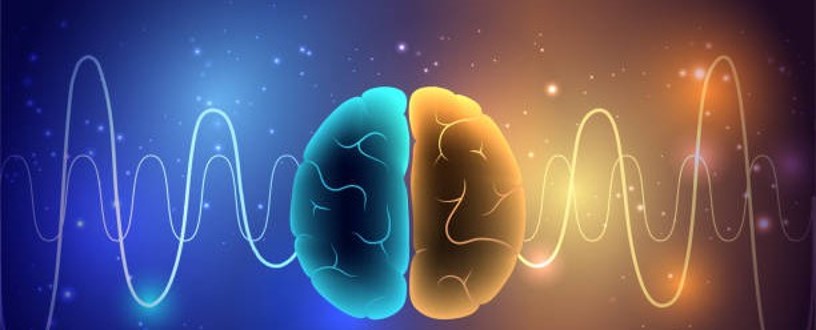
This research study explores the impact of music on brain activation and performance.

What will participants have to do?

  • Complete cognitive tasks while listening to music
  • Wear a headband to record brain activity.

Requirements:

  • You are 60+ years old
  • You are willing to commit to a 1 hour in-person session

Fill out the Studies Interest Form for more information.

Picture1

How to Prevent Someone with Dementia from Getting Lost

People living with memory loss or dementia can sometimes become confused about where they are going and get lost. This is often because they are looking for someone or something, trying to return to a familiar place, or responding to an unmet need such as hunger, loneliness, or fear. AARP notes that about 6 in 10 people with dementia may get lost at some point, making preparation especially important for families and caregivers.

Here are eight simple safety strategies:

  1. Install alarms and alerts, such as door alarms or motion sensors.
  2. Make your home’s entries and exits more secure while maintaining emergency access.
  3. Make sure the person with dementia can be identified by getting them an ID bracelet or pendant.
  4. Consider GPS or other tracking devices to help reduce risk.
  5. Pay attention to safety hazards around the house, such as keeping yard gates closed.
  6. Continually assess whether driving is safe.
  7. Flag and limit easy access, when appropriate, to “alternative vehicles” like golf carts or bikes.
  8. Let neighbors and your community know about your loved one’s diagnosis. They may quickly alert you if they see them wandering.

If someone does go missing, caregivers should call 911 right away and quickly check nearby areas and familiar places the person may be trying to reach.

To learn more, visit this link.

Oct eblast_prevent someone with dementia from getting lost

Music Therapy for Caregivers of People with Parkinson’s Disease

My Care to Take Care Research Study

Join us for four weeks of music therapy and mindful movement sessions delivered online for care partners of people with Parkinson's disease who live in North Carolina or South Carolina.

You may qualify if you:

  • Provide care/assist an adult (18+) diagnosed with Parkinson's disease for at least 5 hours/week for the past 3 months
  • Live in North Carolina or South Carolina

What the program includes:

  • Four sessions delivered online in real time, each lasting 60 minutes
  • Surveys will occur at various points in the program, including two and four weeks after the program. These will last no more than 10 minutes.
  • An online focus group four weeks after the program ends
  • Total program participation is about six hours


Fill out the Studies Interest Form for more information.

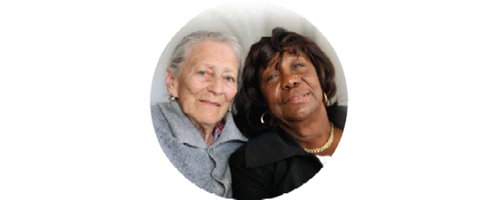
African American Caregiver Sleep Study

African American Caregiver Pilot Sleep Study

You may be eligible for this study if you are:

  • An African American adult
  • Over the age of 40
  • Serving as an informal caregiver for a loved one with dementia
  • Willing to complete memory and thinking tests
  • Willing to complete take home sleep study devices

Fill out the Studies Interest Form for more information.

flyer 2

Music for Sleep in Dementia

Music Sleep Study

Do you care for someone with memory problems who also has trouble sleeping?

The goal of this in-home research study is to introduce music that promotes healthy sleep and improves overall well-being of adults with memory loss.

About the Study

You will be randomized (like a flip of a coin) into either the treatment or control group.

  • Treatment Group
    • Listen to music for four weeks with a three-month follow-up
    • Collect saliva samples for two consecutive days at the beginning and at the end of a four-week period
  • Control Group
    • Learn more about sleep hygiene for four weeks with a three-month follow-up
    • No collection of saliva sample
  • At the end of four weeks, you will be asked questions about your experience with the mobile application, which includes a short interview over Zoom.
  • Upon completion of the study, you will receive a gift card for a total of either $250 (Treatment Group) or $200 (Control Group).

Who is eligible for the study?

People who qualify:

  • Care for someone with memory problems who lives at home and has trouble sleeping
  • Care for someone age 60 or over

Duke Health Logo

Fill out the Studies Interest Form for more information.

Petrovsky

Cognitive Training and Memory Problems

Cognitive Training and Neuroplasticity in Mild Cognitive Impairment: COGIT-2 trial

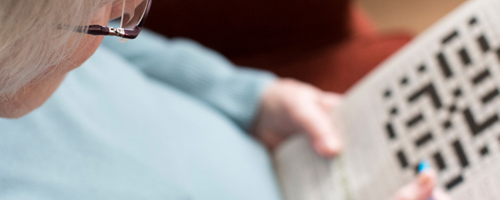
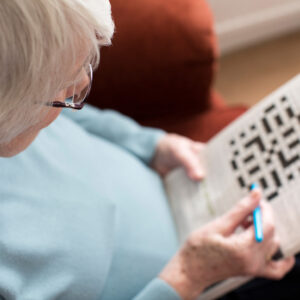
Can Crossword Puzzles Help Improve Mild Memory Loss? Seeking volunteers with mild memory loss.

What Does the Study Involve?

  • Memory testing
  • Brain MRI scans
  • Computer brain training with crosswords
  • Compensation for time

Who Is Eligible?
Volunteers are eligible who:

  • Are age 55-89 years
  • Have experienced mild memory loss
  • Do not currently do crossword puzzles on a regular basis

Duke Health Logo

Fill out the Studies Interest Form for more information.

flyer (004)

Caregiving for People with Dementia and Pain

Are you providing support to someone living with memory changes and pain?

This program is designed to support you and your loved one manage challenges related to memory changes and pain. It is for older adults who have both diagnosed memory changes and pain on most days (such as arthritis, back pain, shoulder/neck pain, leg/foot pain, headaches) that interferes with their daily activities. Together, you will learn skills to help recognize and cope with pain and improve your quality of life.

This program includes five one-hour sessions at a time and location convenient for you (including by phone or video conference). Participants will be compensated $90 each.


Duke Health Logo

Fill out the Studies Interest Form for more information.

flyer

Brain Stimulation to Enhance Memory

Memory and Brain Stimulation Study

This study is currently enrolling individuals with a diagnosis of mild cognitive impairment and healthy people (ages 18-75 years) to evaluate interactions of transcranial magnetic stimulation (TMS) with memory function.

Participation includes an MRI and EEG recordings of brain function. Compensation is available.


Duke Health Logo

Fill out the Studies Interest Form(opens in new tab) for more information.

Liu

MRI Study of Sugar in the Brain

How does your brain turn sugar into energy?

This study is seeking healthy people to participate in an MRI study to help them learn more about how the brain turns sugar into energy.

Participation includes:

  • Physical exam
  • Blood work
  • A sugary beverage
  • IV sugar infusion

You may be eligible if you are:

  • Age 18-45 years old
  • Have a BMI of 18.5-25 kg/m² or BMI 30-40 kg/m²
  • Not taking prescription medications besides contraception or levothyroxine

You can receive compensation up to $425 depending on level of participation.


Fill out the Studies Interest Form for more information.

Matson

Memoria en los latinos – en español

LAMP: Latinos, Memoria y Pensamiento

¿Qué es LAMP?
Es un estudio de investigación que busca entender cómo las personas que hablan español y viven en los EE.UU. se desempeñan en las pruebas cognitivas (es decir pruebas de memoria y otras habilidades del pensamiento).

Usted Podría Calificar Si:

  • Tiene entre 60 y 85 años de edad
  • Es hispano/a o latino/a
  • Habla español

  • Resultados de sus pruebas de memoria sin costo para usted.
  • Horario flexible para programar las visitas del estudio.
  • Recibirá un pago por su tiempo.
  • Ayuda disponible para el transporte a las visitas del estudio.
  • Toda la información es confidencial y voluntaria.

Hagamos una diferencia en la comunidad
Duke Health Logo

Fill out the Studies Interest Form for more information.

A close-up of a smiling senior couple. The man and woman are wearing light blue shirts and are seated. The woman is in front of the man, and the man's hands are embracing her shoulders. Out-of-focus bushes are visible in the background.