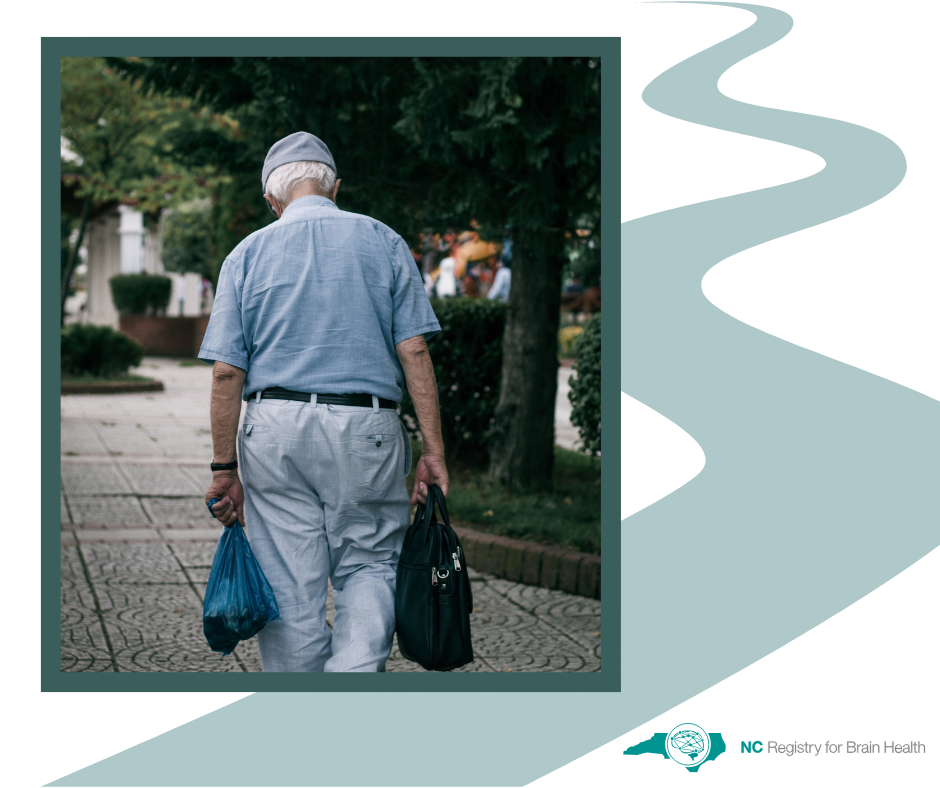
How to Prevent Someone with Dementia from Getting Lost

People living with memory loss or dementia can sometimes become confused about where they are going and get lost. This is often because they are looking for someone or something, trying to return to a familiar place, or responding to an unmet need such as hunger, loneliness, or fear. AARP notes that about 6 in 10 people with dementia may get lost at some point, making preparation especially important for families and caregivers.

Here are eight simple safety strategies:

  1. Install alarms and alerts, such as door alarms or motion sensors.
  2. Make your home’s entries and exits more secure while maintaining emergency access.
  3. Make sure the person with dementia can be identified by getting them an ID bracelet or pendant.
  4. Consider GPS or other tracking devices to help reduce risk.
  5. Pay attention to safety hazards around the house, such as keeping yard gates closed.
  6. Continually assess whether driving is safe.
  7. Flag and limit easy access, when appropriate, to “alternative vehicles” like golf carts or bikes.
  8. Let neighbors and your community know about your loved one’s diagnosis. They may quickly alert you if they see them wandering.

If someone does go missing, caregivers should call 911 right away and quickly check nearby areas and familiar places the person may be trying to reach.

To learn more, visit this link.
Oct eblast_prevent someone with dementia from getting lost

Deep Sleep Is Crucial for Brain Health

A new UC Berkeley study suggests that changes in deep (non-REM) sleep may be linked to episodic memory loss and to Alzheimer’s-related changes in the brain. Researchers measured brain waves during sleep using electroencephalography (EEG). They compared the brain waves of people in their early 20s with those in their mid-60s to mid-70s. They found that, compared to young adults, older adults without dementia showed disrupted brain wave patterns that were associated with poorer memory and more tau- an Alzheimer’s disease protein- in the brain. Several years later, the older adults with continued buildup of tau in their brains had greater disruption of brain waves and poorer memory.

It is still unclear which begins first: the disruption of the brain waves or the accumulation of tau in the brain. However, these findings highlight both the complexity of the role of sleep in the development of Alzheimer’s disease and the importance of sleep in maintaining brain health.

To learn more, visit this link.

Oct eblast_deep sleep for brain health

No Age Limits to Improved Brain Health

A new study shares some uplifting news: it is never too late to boost your brain health. A three-year study of 4,000 adults found that simple brain health activities can improve thinking and memory skills even into their 80s. Participants who stayed mentally active, socially connected, and emotionally supported experienced sharper thinking and a stronger sense of purpose. These findings remind us that consistent, small actions make a difference throughout life.

To learn more about the brain health index, visit this link.

July Eblast_No Age Limits to Improved Brain Health

Celebrating the Power of Aging

This July, as our country prepares to celebrate its 250th anniversary, we honor the generations of older adults who helped shape America’s history, communities, and future. AARP highlights inspiring Americans who made meaningful contributions later in life, reminding us that aging is a time of wisdom, purpose, creativity, and continued impact. At the NC Registry for Brain Health, we celebrate the important role older adults play in building healthier communities and advancing brain health for generations to come.

To learn more, visit this link.
July Eblast_Celebrating the Power of Aging

Summer 2026 Newsletter

The summer edition of the NC Registry for Brain Health newsletter highlights ways to keep your brain active and engaged all season through research opportunities, community events, and daily habits.

We're also celebrating our ninth anniversary and your contributions to the NC Registry for Brain Health. Thank you for being part of our community and for everything we have accomplished together!

Click here to view the full newsletter and join us on Facebook.

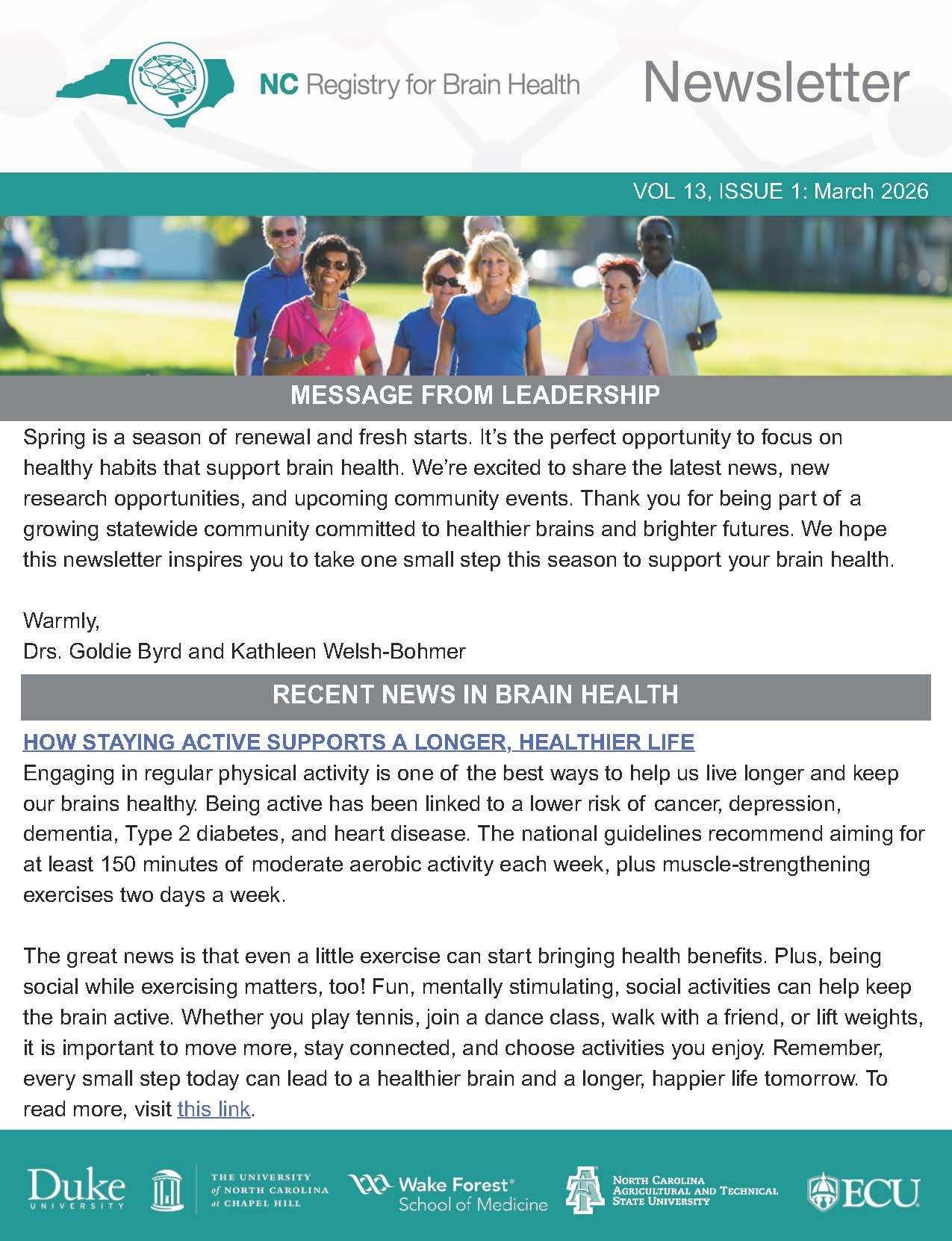
Spring 2026 Newsletter

Learn how to support your brain in the spring edition of the NC Brain Health newsletter. This issue highlights helpful brain health tips, research opportunities, and upcoming community events happening across North Carolina.

Thank you for being part of our community. Your support helps advance brain health research and education throughout the state.

Click here to view the full newsletter and join us on Facebook.

Winter 2025 Newsletter

The winter’s edition of the NC Registry for Brain Health newsletter highlights a year of significant progress in Alzheimer’s disease research and healthy aging. In this issue, you’ll find:

  • Highlights of scientific breakthroughs in Alzheimer’s disease, including the FDA’s approval of the first simple blood test for Alzheimer’s biomarkers
  • Practical guidance on preventing falls and an overview of new technologies that help older adults stay safer and more active, even during colder months!
  • Tips for caregivers navigating a stressful holiday season, plus links to healthy recipes
  • Upcoming community events

Thank you for your valuable partnership and ongoing support of brain health research. Your involvement makes a difference and helps move this important work forward.

Click here to view the full newsletter and join us on Facebook.


Fall 2025 Newsletter

We invite you to read this fall edition of the Registry’s newsletter to learn about key takeaways from the Alzheimer's Association International Conference (AAIC) and a variety of other topics, including:

  • Studies finding benefits in following healthy lifestyle approaches for brain health
  • Advances in blood-based biomarker tests
  • A story of how one man lives well with early-onset Alzheimer's
  • Upcoming events for caregivers and others who want to learn more about brain health and advances in Alzheimer's treatments

Click here to view the full newsletter and join us on Facebook.

Summer 2025 Newsletter

We invite you to read this summer edition of the Registry’s newsletter to learn about clinical research and a variety of other topics, including:

  • Whether weight loss drugs are good for brain health
  • Celebrating Alzheimer’s and Brain Awareness Month with brain health tips
  • Financial tech tools for caregivers of those with memory problems
  • Upcoming events for caregivers and others wanting to learn more about brain health

Click here to view the full newsletter and join us on Facebook.

Boletín Anual Impreso 2025

NCRBH_banner_12may2025

Juntos, podemos mejorar la salud cerebral y vencer la demencia.

Manténgase Informado, Participe: Su Viaje Por La Sulad Cerebral Comienza Aquí

¿Desea obtener la información más reciente sobre salud cerebral y oportunidades para contribuir a investigaciones importantes? ¡El Registro para la Salud Cerebral de NC comparte esto directamente con usted! Al unirse a nuestro registro, usted será el primero en conocer los avances en la prevención y el tratamiento de enfermedades como la enfermedad de Alzheimer. Obtendrá acceso a información sobre 14 estudios de investigación activos en Carolina del Norte.

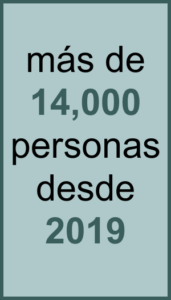
La comunidad del Registro para la Salud Cerebral de NC ha crecido a más de 14,000 personas desde el año 2019, con miembros en 100 condados de Carolina del Norte. Estamos comprometidos a conectarnos con usted, y este último año compartimos recursos de salud cerebral y dirigimos conversaciones educativas en 155 eventos.

Para asegurarse de recibir todas las actualizaciones del Registro para la Salud Cerebral de NC, incluidos nuestros mensajes de correo electrónico mensuales y boletines trimestrales llenos de noticias sobre salud cerebral, consejos para cuidadores y próximos eventos, asegúrese de compartir su dirección de correo electrónico con nosotros hoy en NCBrainHealth@duke.edu o llamando al (919) 613-8633. Este boletín informativo impreso destaca información de nuestros correos electrónicos y boletines informativos del año pasado.

¡Gracias por ser un miembro del Registro para la Salud Cerebral de NC!

2

MEJORANDO LA SALUD CEREBRAL

Compresión de la Investiación Clínica

Probablemente haya oído hablar de los emocionantes avances en la atención médica recientemente. Por primera vez, los tratamientos que pueden retrasar la enfermedad de Alzheimer han recibido la aprobación de la Administración de Alimentos y Medicamentos (Food and Drug Administration, FDA). Además, ha habido avances en las genoterapias para afecciones como la fibrosis quística, y los médicos utilizan inteligencia artificial para detectar el cáncer de manera más temprana y precisa.

Estos avances son el resultado directo de una investigación clínica minuciosa, que es la forma en que aprendemos a combatir enfermedades y a mejorar la atención de la salud. La investigación clínica es especialmente importante en nuestra búsqueda continua de una cura para la enfermedad de Alzheimer y otros tipos de demencia.

¿Qué es la investigación clínica?
En términos simples, la investigación clínica se refiere al estudio de la salud y las enfermedades en las personas. Los estudios de investigación clínica:

  • Exploran las causas de una enfermedad
  • Desarrollan mejores formas de diagnosticar una afección
  • Prueban nuevos tratamientos o terapias para una afección
  • Obtienen más información sobre los factores que pueden afectar el riesgo de contraer una enfermedad
  • Estudian cómo las enfermedades afectan la salud de las comunidades

Cuando pensamos en la investigación clínica, es posible que se nos vengan a la mente los ensayos de fármacos. Sin embargo, la investigación clínica incluye mucho más que estos tipos de estudios. Existen dos tipos principales de investigaciones clínicas: estudios de observación y ensayos clínicos. Ambos cubren áreas amplias y son importantes para desarrollar tratamientos y mejoras en la atención médica.

Los estudios de observación supervisan a las personas en entornos cotidianos normales, pero no evalúan un tratamiento o intervención. Este tipo de investigación se realiza para desarrollar nueva tecnología, nuevas pruebas de diagnóstico y para descubrir factores en nuestra vida diaria que pueden aumentar o disminuir el riesgo de una enfermedad, como la enfermedad de Alzheimer.
 

Los ensayos clínicos son estudios de investigación que evalúan si los nuevos tratamientos médicos funcionan y son seguros. Estos ensayos son importantes porque nos ayudan a comprender si el nuevo tratamiento o dispositivo son mejores que los actuales. Estos estudios también aseguran que solo los métodos seguros y eficaces formen parte de la atención médica regular, lo que en última instancia conduce a una mejor atención de la salud para todos. Obtenga más información sobre la investigación clínica y los diferentes tipos de estudios de investigación en duke.is/NIAClinicalTrials.


NCRBH_icons_2025NL4

Podcast Sobre Salud Cerebral Que Presenta Consejos de Expertos e Historias de la Vida Real

Brain Talk es un podcast presentado por Deborah Kan, fundadora de Being Patient, y el periodista Mark Niu. Entrevistan a expertos en salud cerebral e incluyen experiencias de personas reales que viven con deterioro cognitivo. Sus podcasts más populares del año pasado se pueden encontrar en duke.is/BrainTalk.

Seguridad en el Hogar para Adultos Mayores

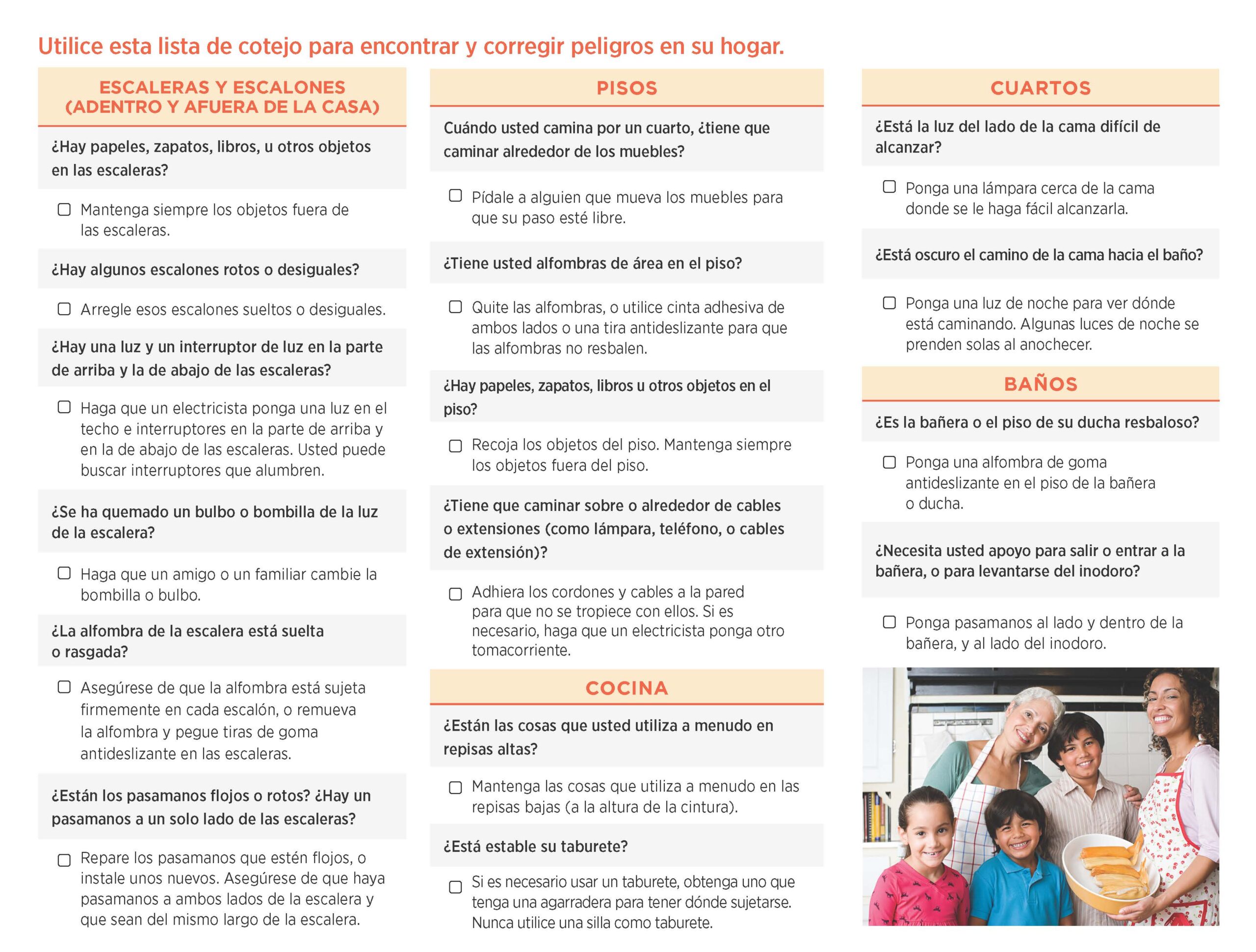
Esta guía sobre la seguridad en el hogar para adultos mayores del Centers for Disease Control and Prevention (CDC) incluye una lista de verificación para imprimir que lo ayudará a evaluar los riesgos en su hogar. Con la mayoría de los adultos mayores de 50 años que viven en hogares de una sola familia, es importante evaluar la seguridad de su hogar. Lo alentamos a realizar un breve “pasillo de seguridad” a través de cada habitación de su hogar. Esté atento para detectar posibles riesgos de incendio, peligros de tropiezos e incluso lugares en los que los medicamentos podrían mezclarse. ¿La buena noticia? ¡Muchos de los cambios de seguridad sugeridos cuestan poco y son fáciles de hacer usted mismo!

Obtenga más información sobre la seguridad en el hogar para adultos mayores en duke.is/seguridad.

checkforsafety-final-spanish-508
NCRBH Print Newsletter Photo 3 (1)

Serie de Videos Gratuitos Sobre el Cuidado de la Demencia

Dementia Alliance of North Carolina y Positive Approach to Care ofrecen videos en línea para personas cuidadoras en Carolina del Norte.

Este programa incluye:

  • 16 módulos de aprendizaje
  • Demostraciones prácticas y técnicas
  • Información actualizada y perspectivas sobre el cuidado

Aproveche esta oportunidad desarrollar para confianza y habilidades como cuidador. Los residentes de Carolina del Norte pueden acceder a este recurso de forma gratuita. Obtenga más información en duke.is/AcceptingtheChallenge.

Recursos de Salud Cerebral

El Registro para la Salud Cerebral de NC contiene una lista de programas que ayudan a personas con demencia y sus cuidadores.
A continuación se muestran algunos ejemplos. Comuníquese con cada organización para obtener más información sobre sus programas y eventos en ncbrainhealth.org/resources/.

Participe en un Estudio de Registro

El Registro de NC conecta a personas con estudios de salud cerebral. Para obtener más información sobre estos estudios y para participar, visite ncbrainhealth.org/registry-studies, escríbanos a NCBrainHealth@duke.edu o llámenos al (919) 613-8633.

Estudios para personas con envejecimiento cerebral normal

  • Medicamentos para el colesterol y la memoria
  • La memoria en latinos

 Encuéntranos en Facebook @ncbrainhealth