
Caregiving by the Numbers – Part 2

Last month, we provided you with the 2025 Caregiving in the U.S. Report statistics. This month, we share the North Carolina report. In our state, over a third (38%) of caregivers have been providing care for three or more years. Understandably, many caregivers feel unprepared and overwhelmed. This report highlights the importance of better access to caregiver resources, flexible work options, financial support, and easily accessible community services. Strengthening support for caregivers is vital to the health and well-being of families and communities. 

To read the North Carolina report, visit this link. 

Feb Eblast_Caregiving by the Numbers

The Two-Way Street of Caregiving

A recent article reminds us that family caregivers experience feelings of chronic stress, exhaustion, and isolation. Recognizing caregiving as both meaningful and demanding can encourage caregivers to seek help and support. 

To read the article, visit this link. You can also access caregiver resources in North Carolina by visiting this link. 

Feb Eblast_Two-Way Street of Caregiving

Caregiving by the Numbers

The 2025 Caregiving in the U.S. Report highlights the growing challenges faced by the nation's 53 million family caregivers, many of whom are supporting loved ones with complex medical, cognitive, and mobility needs. Nearly one in four Americans are caregivers, and in North Carolina, 60% of these caregivers are balancing the demands of providing care while working. The report also confirms what we have been reporting for some time: caregivers are providing more hours of care without enough support, experiencing higher levels of stress, increased financial strain, and declining physical and mental health. Enhancing support for caregivers is vital to the health and well-being of families and communities.

To learn more about this report, visit this link.

Jan Eblast_Caregiving by the Numbers

The Hidden Toll: Depression Among Dementia Caregivers

Caregivers of people with dementia are at greater risk for depression. The National Health and Aging Trends Study (NHATS) and the National Study of Caregiving (NSOC), two research studies involving 526 people, recently identified some factors that may help lower caregivers' risk of depression. They found participating in caregiver training and having a partner, spouse, and friends to talk to lowered the risk of depression.

Experts highlight the importance of acknowledging the challenges that caregivers face and ensuring they have access to mental health support, respite care, and community resources.

To learn more about this research, visit this link.

The Duke Dementia Family Support Program provides tailored support for those caring for someone with dementia. This program is available to folks with or without a connection to Duke Health. To learn more, visit their website.

Nov Eblast_The hidden toll

Caregivers Know Best: Dementia Programs Beat “Usual Care”

Dementia caregivers are asking for personalized help, and it works. New findings confirm that caregivers feel most supported when they receive resources and guidance tailored specifically to their situation and the unique challenges of dementia. Providing this focused support benefits both the caregiver's well-being and the person they care for.

To read the full article, visit this link. You can also read the full scientific article at this link.

Nov Eblast_Caregivers know best

Move Together, Heal Together

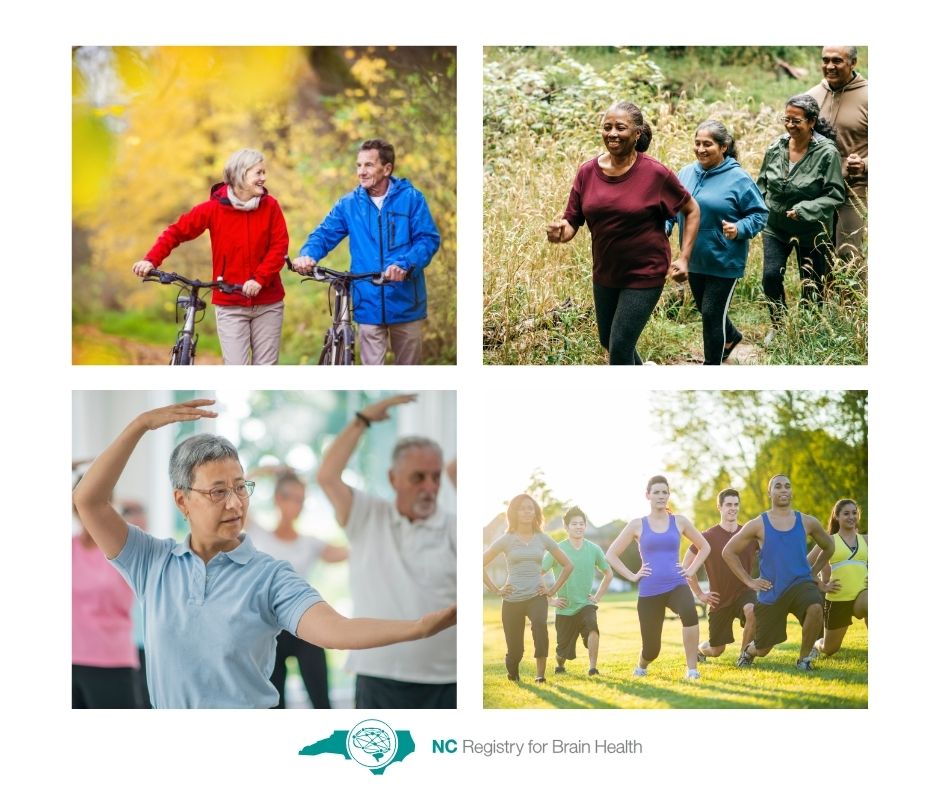
Providing care for someone can be taxing both body and mind. But a recent AARP article offers encouraging evidence that physical activity isn’t just good medicine for those who receive care. Physical activity helps caregivers too. Simple, regular movement, such as walking, gentle strength exercises, or tai chi can uplift mood, sharpen cognition, reduce stress, and support independence. When caregivers join their family members or friends in physical activities, they build connection and mutual support, helping to stay strong and build resilience. It’s more than exercise—it’s a shared path to wellness that benefits everyone involved.

To read the full article on the benefits of exercise for care recipients and care partners, visit this link.

Oct Eblast_Move Together, Heal Together

Carving Out Space in the Midst of Caregiving

If you’re caring for someone daily, you know life can feel like a never-ending ‘to-do list’, filled with appointments, medications, and unplanned crises. Peter Rosenberger's moving AARP essay reminds us that when caregiving squeezes life into the “micro,” the bigger picture, our values, and who we are can get lost. Rosenberger recommends building a perch – a small physical, mental, or spiritual space – where you can step away from the chaos. It might be a quiet moment, a walk, a favorite song, or a trusted friend who listens. These moments aren’t escapes; they’re essential reminders that life is more than just survival. In the midst of caregiving, you deserve time to just be.

To learn more about carving space out for yourself while caregiving, visit this link.

Oct Eblast_Carving Out Space in the Midst of Caregiving

New Resource for Proven Dementia Programs Now Available for Caregivers

Best Practice Caregiving is a free online database of proven dementia programs for family caregivers. It offers a searchable, interactive, national database of vetted, effective programs that offer much-needed information and support. The database is an invaluable tool for healthcare and community-based organizations, as well as funders and policy makers to discover and share high quality programs for caregivers.

Read more