
Carving Out Space in the Midst of Caregiving

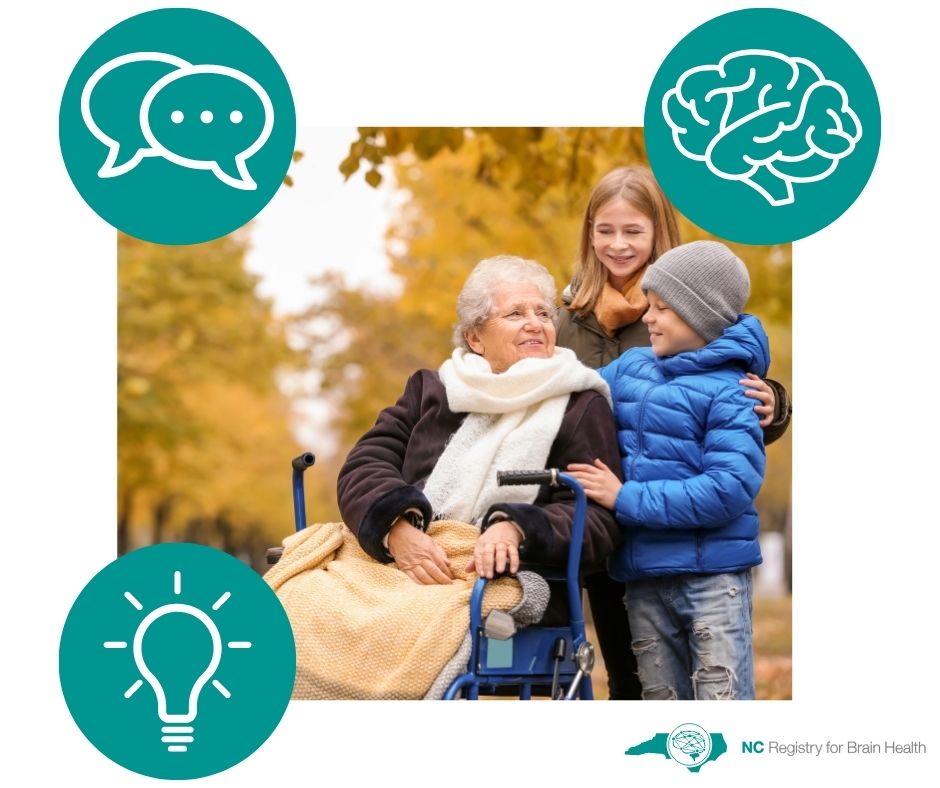
If you’re caring for someone daily, you know life can feel like a never-ending ‘to-do list’, filled with appointments, medications, and unplanned crises. Peter Rosenberger's moving AARP essay reminds us that when caregiving squeezes life into the “micro,” the bigger picture, our values, and who we are can get lost. Rosenberger recommends building a perch – a small physical, mental, or spiritual space – where you can step away from the chaos. It might be a quiet moment, a walk, a favorite song, or a trusted friend who listens. These moments aren’t escapes; they’re essential reminders that life is more than just survival. In the midst of caregiving, you deserve time to just be.

To learn more about carving space out for yourself while caregiving, visit this link.

Oct Eblast_Carving Out Space in the Midst of Caregiving

Lifelong Social Experiences Shape Brain Health

A groundbreaking study from Trinity College Dublin highlights how adverse social experiences such as limited education, food insecurity, financial stress, limited access to healthcare, and traumatic events across life can have lasting effects on mental and cognitive health. Researchers found that experiencing more adverse events over a lifetime is linked to poorer cognition, mental health, and changes in brain structure, especially in people living with dementia. Importantly, the study emphasizes that dementia prevention should begin early, suggesting that improving social conditions and social support from childhood onward can build brain health that lasts a lifetime.

To learn more about this research, visit this link.

Oct Eblast_Lifelong Social Experiences Shape Brain Health

Sweeteners and Your Brain: A Bitter Truth

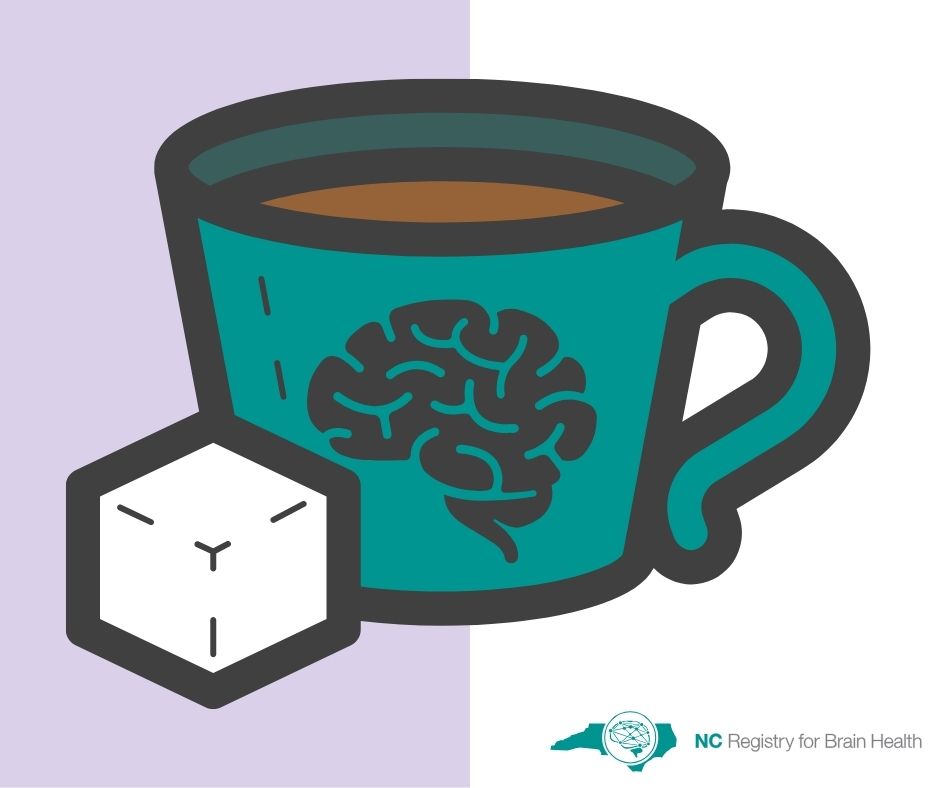
A recent study raises concerns about the effects of low- and no-calorie sweeteners on cognitive health. This long-term study found that regular consumption of low- and no-calorie sweeteners was linked to faster cognitive decline. Individuals who consumed the largest amount of these sweeteners had a 62% increase in the rate of cognitive aging compared to those who did not use these sweeteners. Although this study does not establish a direct cause-and-effect relationship, it highlights the need for further research into the neurological impacts of these widely consumed additives.

To learn more about the study, visit this link.

Oct Eblast_Sweeteners and Your Brain