The Two-Way Street of Caregiving

A recent article reminds us that family caregivers experience feelings of chronic stress, exhaustion, and isolation. Recognizing caregiving as both meaningful and demanding can encourage caregivers to seek help and support. 

To read the article, visit this link. You can also access caregiver resources in North Carolina by visiting this link. 

Feb Eblast_Two-Way Street of Caregiving

Healthy Eating Promotes Brain Health

A Mediterranean-style diet rich in fruits, vegetables, whole grains, fish, beans, and healthy fats is connected to better brain health. This way of eating can be especially helpful for communities of color, who often experience higher rates of heart and vascular health conditions that can impact the brain. Because this diet can be adapted to many cultural traditions, it offers a flexible and practical way to support both heart and brain health across the lifespan.  

To learn more about the Mediterranean-style diet and its effects on your health, visit the American Heart Association’s website. You can also visit this link to learn more about foods you can eat more regularly to promote brain health. You can take a deeper dive into how diet affects brain health by visiting the American Heart Association’s website. They also have resources to guide you on your healthy eating journey at this link. For healthy recipe ideas, visit this link. 

Feb Eblast_Healthy Eating Promote Brain Health

Caregiving by the Numbers

The 2025 Caregiving in the U.S. Report highlights the growing challenges faced by the nation's 53 million family caregivers, many of whom are supporting loved ones with complex medical, cognitive, and mobility needs. Nearly one in four Americans are caregivers, and in North Carolina, 60% of these caregivers are balancing the demands of providing care while working. The report also confirms what we have been reporting for some time: caregivers are providing more hours of care without enough support, experiencing higher levels of stress, increased financial strain, and declining physical and mental health. Enhancing support for caregivers is vital to the health and well-being of families and communities.

To learn more about this report, visit this link.

Jan Eblast_Caregiving by the Numbers

A Vaccine for Your Brain: Surprising Benefits of the Shingles Shot

A new study offers encouraging news about both brain and immune health. The shingles vaccine, which is already recommended for adults age 50+ to prevent a painful viral infection, may also help lower dementia risk and even slow its progression. Researchers analyzing health data from more than 280,000 older adults in Wales and Australia found that people who received the shingles vaccine were less likely to develop mild cognitive impairment or dementia. Researchers found that, among those already living with dementia, vaccinated individuals had a significantly lower risk of dying over nine years. Scientists believe the vaccine may reduce harmful inflammation in the nervous system or strengthen the immune system, though more research is needed to understand why these benefits occur. While not a guaranteed preventive measure, experts agree that discussing the shingles vaccine with your doctor is a simple, accessible step that may support healthier aging and brain health.

To read more, visit this link.

Jan Eblast_Benefits of the Shingles Shot

The Connection Between Oral Health and the Brain

A new study suggests that adults with gum disease may be more likely to show signs of damage in their brain's white matter, changes linked to memory problems, slower thinking, balance issues, and higher stroke risk. Researchers found that those with gum disease had more white matter hyperintensities on brain scans, even after accounting for age, blood pressure, diabetes, and smoking. While the study does not prove that gum disease causes brain changes, it strengthens growing evidence that oral health and brain health may be connected. Experts note that gum disease can be prevented and treated, and maintaining good dental hygiene is an important step in supporting long-term brain health. 

To learn more, visit this link.

Jan Eblast_Connection between oral health and the brain

The Hidden Toll: Depression Among Dementia Caregivers

Caregivers of people with dementia are at greater risk for depression. The National Health and Aging Trends Study (NHATS) and the National Study of Caregiving (NSOC), two research studies involving 526 people, recently identified some factors that may help lower caregivers' risk of depression. They found participating in caregiver training and having a partner, spouse, and friends to talk to lowered the risk of depression.

Experts highlight the importance of acknowledging the challenges that caregivers face and ensuring they have access to mental health support, respite care, and community resources.

To learn more about this research, visit this link.

The Duke Dementia Family Support Program provides tailored support for those caring for someone with dementia. This program is available to folks with or without a connection to Duke Health. To learn more, visit their website.


Nov Eblast_The hidden toll

Caregivers Know Best: Dementia Programs Beat “Usual Care”

Dementia caregivers are asking for personalized help, and it works. New findings confirm that caregivers feel most supported when they receive resources and guidance tailored specifically to their situation and the unique challenges of dementia. Providing this focused support benefits both the caregiver's well-being and the person they care for.

To read the full article, visit this link. You can also read the full scientific article at this link.

Nov Eblast_Caregivers know best

Junk Food and the Brain: A Recipe for Memory Loss

A recent study by researchers at UNC Health shows that eating too much processed and high-fat "junk food" impacts your brain health. Researchers studied mice on a high-fat diet of fast foods, chips, and sugary snacks. In only four days, they noticed the mice were experiencing faster cognitive decline and memory issues.

The good news is that choosing healthier foods—such as vibrant fruits, crunchy vegetables, lean proteins, and hearty whole grains—can help protect your brain.

To learn more, visit this link.

Nov Eblast_Junk food and the brain

Can Microplastics Cause Dementia?

A new report has brought microplastics, those incredibly tiny pieces of manufactured or broken-down plastic, into the conversation about brain health. The study found that the brain concentration of microplastics were ten times higher in patients who died from dementia compared to similar-aged patients without dementia at death.

While this discovery does not prove that microplastics cause dementia, it raises important questions: Does dementia lower the brain's defenses, allowing more microplastics into the brain, or are these small microplastics playing a role in the disease? While researchers investigate this complex link, it serves as a timely reminder that we can all take simple steps to reduce our daily exposure to microplastics. To learn more, visit this link.

Nov Eblast_Can microplastics cause dementia

Move Together, Heal Together

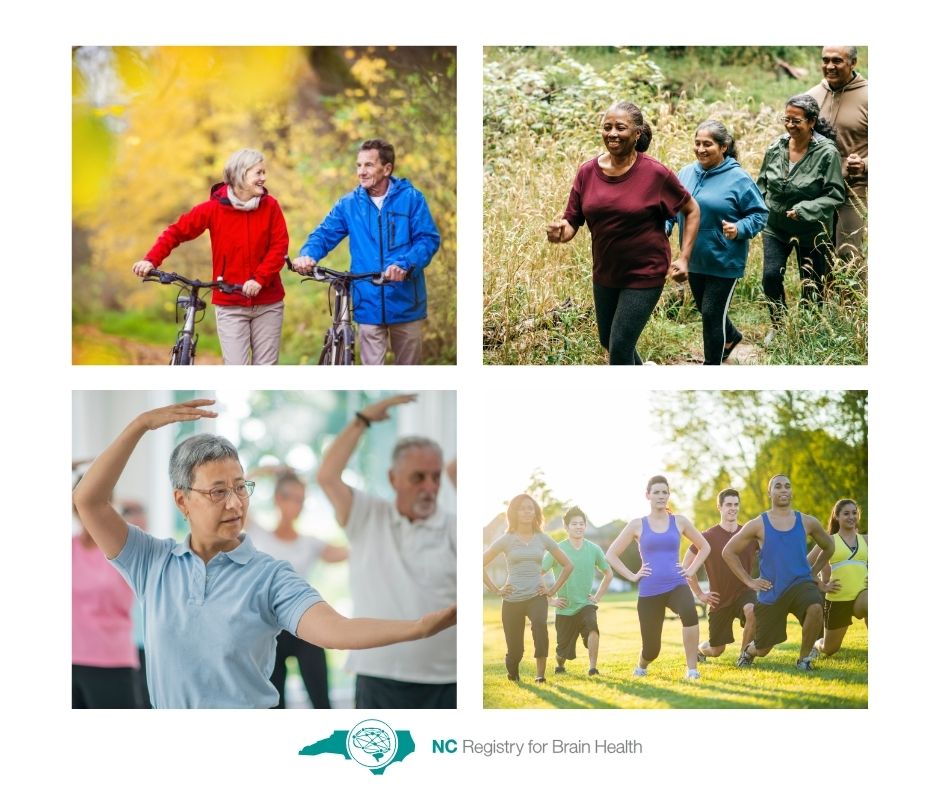
Providing care for someone can be taxing both body and mind. But a recent AARP article offers encouraging evidence that physical activity isn’t just good medicine for those who receive care. Physical activity helps caregivers too. Simple, regular movement, such as walking, gentle strength exercises, or tai chi can uplift mood, sharpen cognition, reduce stress, and support independence. When caregivers join their family members or friends in physical activities, they build connection and mutual support, helping to stay strong and build resilience. It’s more than exercise—it’s a shared path to wellness that benefits everyone involved.

To read the full article on the benefits of exercise for care recipients and care partners, visit this link.

Oct Eblast_Move Together, Heal Together