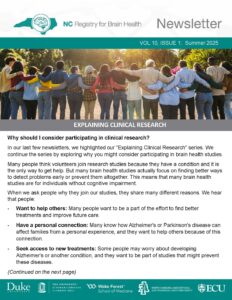
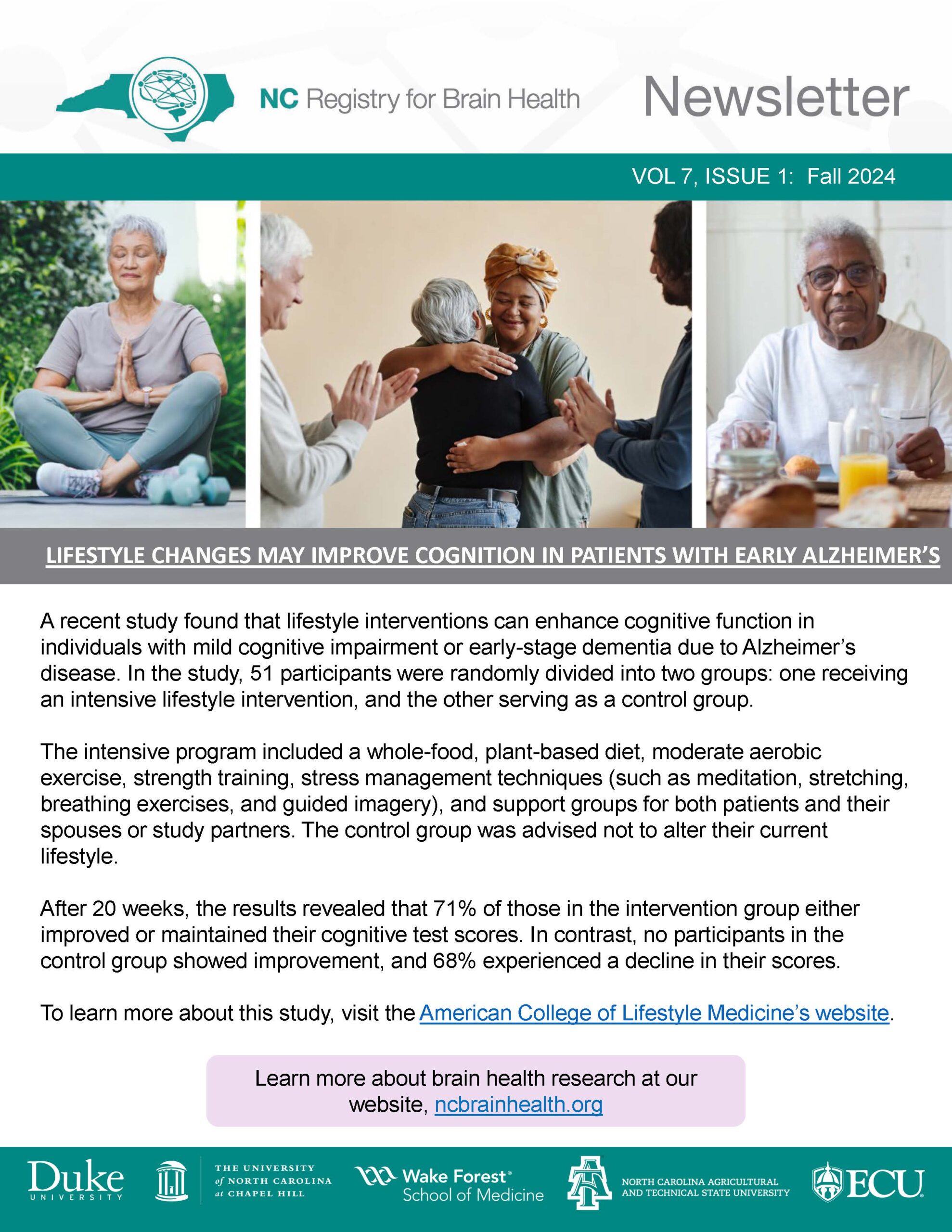
Spring 2026 Newsletter

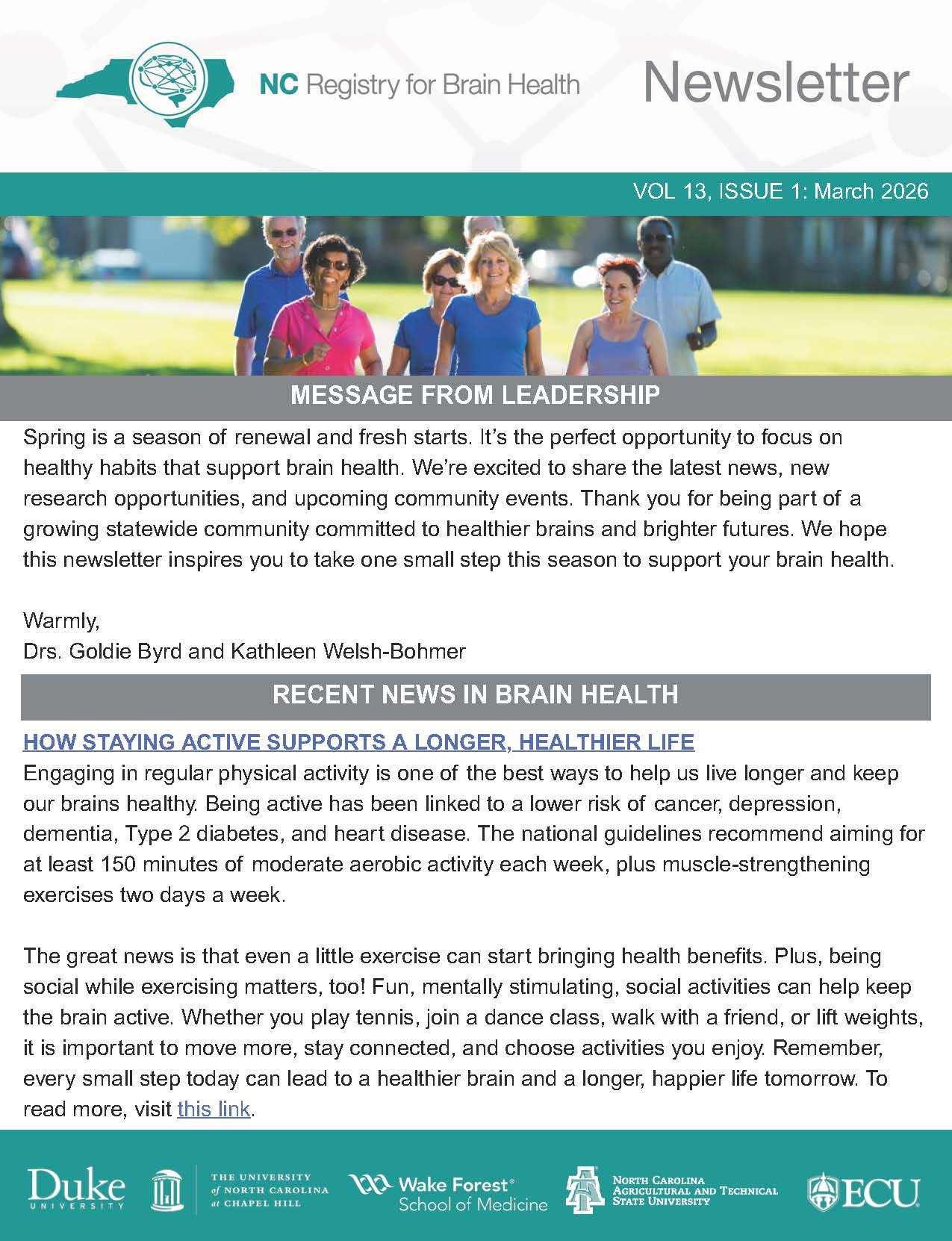
Learn how to support your brain in the spring edition of the NC Brain Health newsletter. This issue highlights helpful brain health tips, research opportunities, and upcoming community events happening across North Carolina.

Thank you for being part of our community. Your support helps advance brain health research and education throughout the state.

Click here to view the full newsletter and join us on Facebook.

Winter 2025 Newsletter

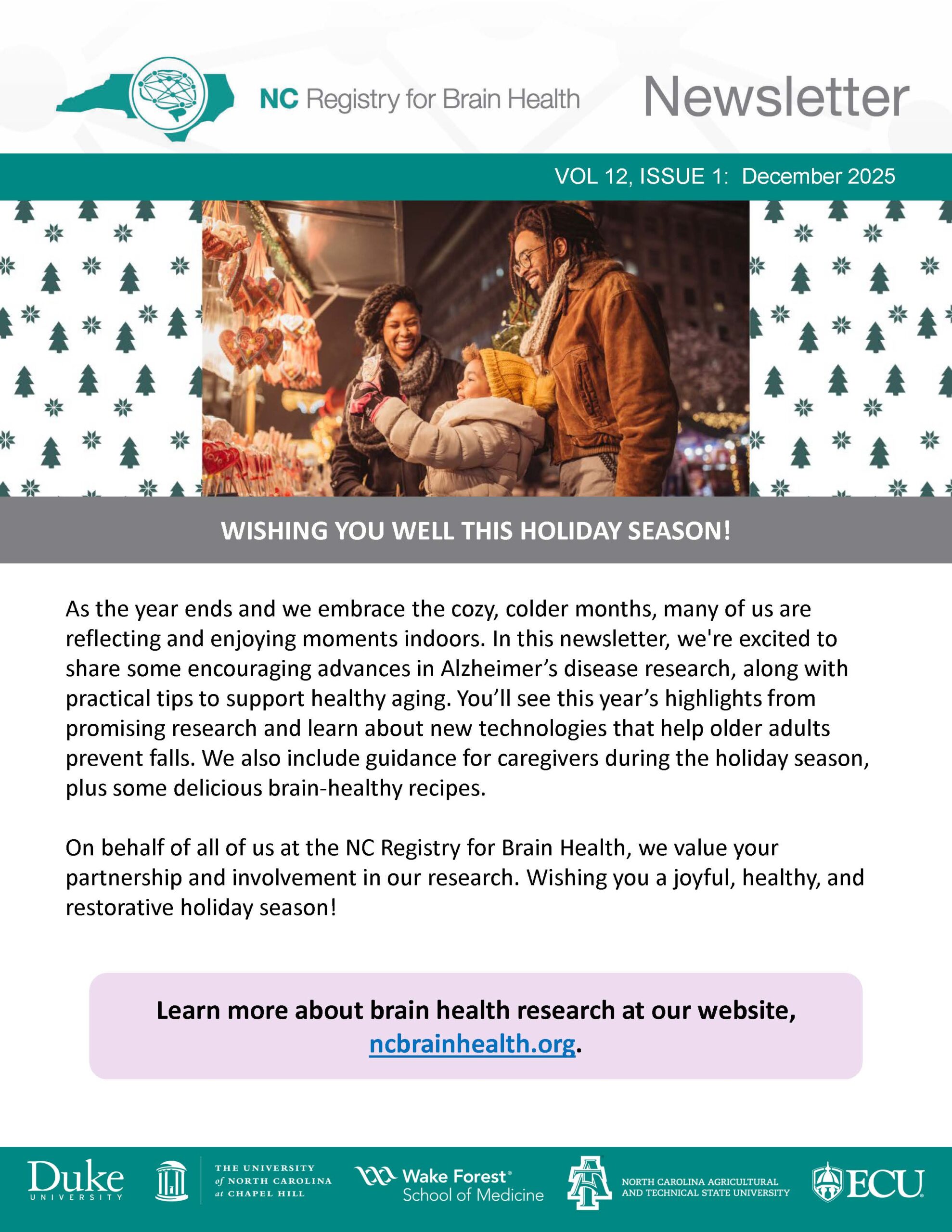
The winter’s edition of the NC Registry for Brain Health newsletter highlights a year of significant progress in Alzheimer’s disease research and healthy aging. In this issue, you’ll find:

  • Highlights of scientific breakthroughs in Alzheimer’s disease, including the FDA’s approval of the first simple blood test for Alzheimer’s biomarkers
  • Practical guidance on preventing falls and an overview of new technologies that help older adults stay safer and more active, even during colder months!
  • Tips for caregivers navigating a stressful holiday season, plus links to healthy recipes
  • Upcoming community events

Thank you for your valuable partnership and ongoing support of brain health research. Your involvement makes a difference and helps move this important work forward.

Click here to view the full newsletter and join us on Facebook.


Fall 2025 Newsletter

We invite you to read this fall edition of the Registry’s newsletter to learn about key takeaways from the Alzheimer's Association International Conference (AAIC) and a variety of other topics, including:

  • Studies finding benefits in following healthy lifestyle approaches for brain health
  • Advances in blood-based biomarker tests
  • A story of how one man lives well with early-onset Alzheimer's
  • Upcoming events for caregivers and others who want to learn more about brain health and advances in Alzheimer's treatments

Click here to view the full newsletter and join us on Facebook.

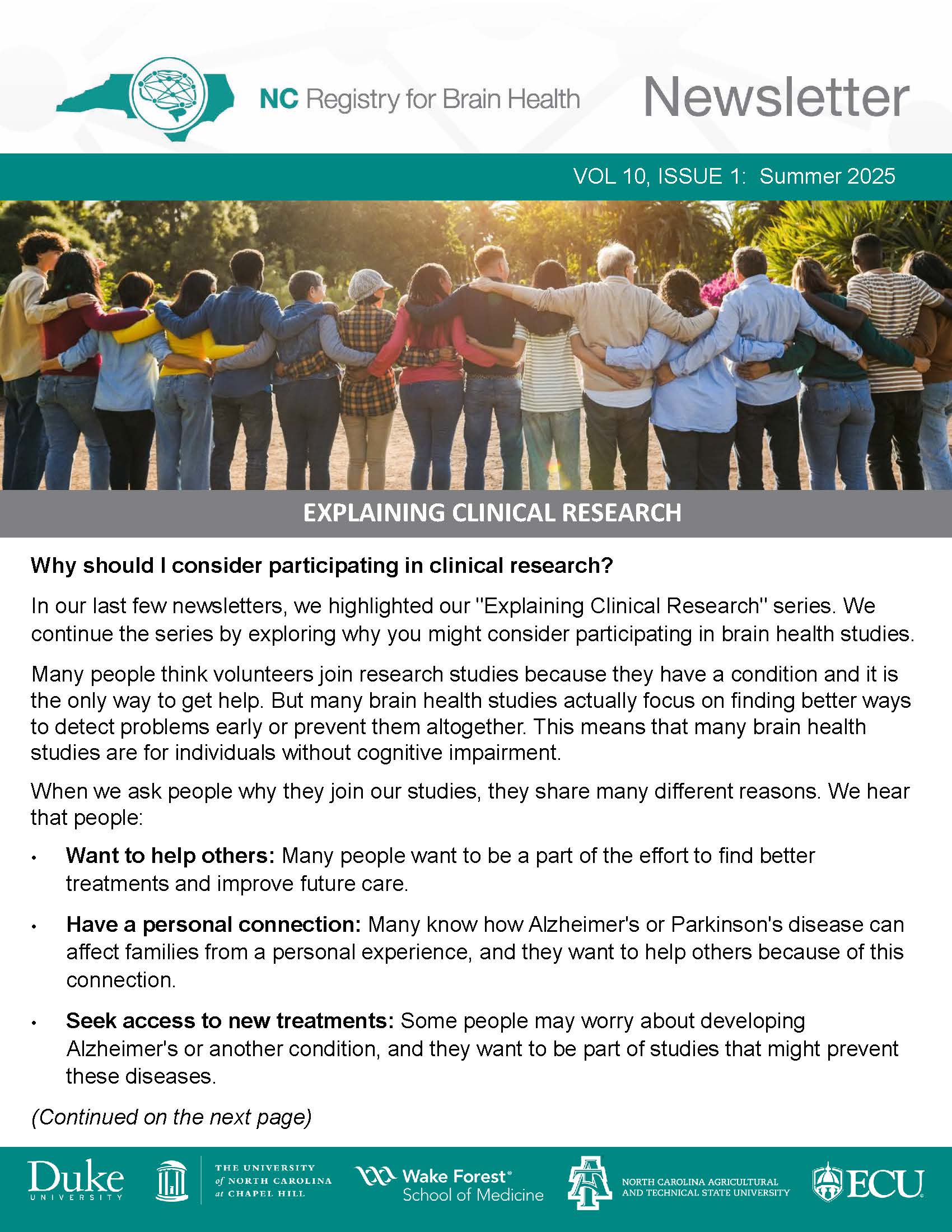
Summer 2025 Newsletter

We invite you to read this summer edition of the Registry’s newsletter to learn about clinical research and a variety of other topics, including:

  • Whether weight loss drugs are good for brain health
  • Celebrating Alzheimer’s and Brain Awareness Month with brain health tips
  • Financial tech tools for caregivers of those with memory problems
  • Upcoming events for caregivers and others wanting to learn more about brain health

Click here to view the full newsletter and join us on Facebook.

Boletín Anual Impreso 2025

NCRBH_banner_12may2025

Juntos, podemos mejorar la salud cerebral y vencer la demencia.

Manténgase Informado, Participe: Su Viaje Por La Sulad Cerebral Comienza Aquí

¿Desea obtener la información más reciente sobre salud cerebral y oportunidades para contribuir a investigaciones importantes? ¡El Registro para la Salud Cerebral de NC comparte esto directamente con usted! Al unirse a nuestro registro, usted será el primero en conocer los avances en la prevención y el tratamiento de enfermedades como la enfermedad de Alzheimer. Obtendrá acceso a información sobre 14 estudios de investigación activos en Carolina del Norte.

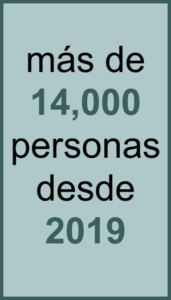
La comunidad del Registro para la Salud Cerebral de NC ha crecido a más de 14,000 personas desde el año 2019, con miembros en 100 condados de Carolina del Norte. Estamos comprometidos a conectarnos con usted, y este último año compartimos recursos de salud cerebral y dirigimos conversaciones educativas en 155 eventos.

Para asegurarse de recibir todas las actualizaciones del Registro para la Salud Cerebral de NC, incluidos nuestros mensajes de correo electrónico mensuales y boletines trimestrales llenos de noticias sobre salud cerebral, consejos para cuidadores y próximos eventos, asegúrese de compartir su dirección de correo electrónico con nosotros hoy en NCBrainHealth@duke.edu o llamando al (919) 613-8633. Este boletín informativo impreso destaca información de nuestros correos electrónicos y boletines informativos del año pasado.

¡Gracias por ser un miembro del Registro para la Salud Cerebral de NC!

2

MEJORANDO LA SALUD CEREBRAL

Compresión de la Investiación Clínica

Probablemente haya oído hablar de los emocionantes avances en la atención médica recientemente. Por primera vez, los tratamientos que pueden retrasar la enfermedad de Alzheimer han recibido la aprobación de la Administración de Alimentos y Medicamentos (Food and Drug Administration, FDA). Además, ha habido avances en las genoterapias para afecciones como la fibrosis quística, y los médicos utilizan inteligencia artificial para detectar el cáncer de manera más temprana y precisa.

Estos avances son el resultado directo de una investigación clínica minuciosa, que es la forma en que aprendemos a combatir enfermedades y a mejorar la atención de la salud. La investigación clínica es especialmente importante en nuestra búsqueda continua de una cura para la enfermedad de Alzheimer y otros tipos de demencia.

¿Qué es la investigación clínica?

En términos simples, la investigación clínica se refiere al estudio de la salud y las enfermedades en las personas. Los estudios de investigación clínica:

  • Exploran las causas de una enfermedad
  • Desarrollan mejores formas de diagnosticar una afección
  • Prueban nuevos tratamientos o terapias para una afección
  • Obtienen más información sobre los factores que pueden afectar el riesgo de contraer una enfermedad
  • Estudian cómo las enfermedades afectan la salud de las comunidades

Cuando pensamos en la investigación clínica, es posible que se nos vengan a la mente los ensayos de fármacos. Sin embargo, la investigación clínica incluye mucho más que estos tipos de estudios. Existen dos tipos principales de investigaciones clínicas: estudios de observación y ensayos clínicos. Ambos cubren áreas amplias y son importantes para desarrollar tratamientos y mejoras en la atención médica.

Los estudios de observación supervisan a las personas en entornos cotidianos normales, pero no evalúan un tratamiento o intervención. Este tipo de investigación se realiza para desarrollar nueva tecnología, nuevas pruebas de diagnóstico y para descubrir factores en nuestra vida diaria que pueden aumentar o disminuir el riesgo de una enfermedad, como la enfermedad de Alzheimer.


Los ensayos clínicos son estudios de investigación que evalúan si los nuevos tratamientos médicos funcionan y son seguros. Estos ensayos son importantes porque nos ayudan a comprender si el nuevo tratamiento o dispositivo son mejores que los actuales. Estos estudios también aseguran que solo los métodos seguros y eficaces formen parte de la atención médica regular, lo que en última instancia conduce a una mejor atención de la salud para todos. Obtenga más información sobre la investigación clínica y los diferentes tipos de estudios de investigación en duke.is/NIAClinicalTrials.


NCRBH_icons_2025NL4

Podcast Sobre Salud Cerebral Que Presenta Consejos de Expertos e Historias de la Vida Real

Brain Talk es un podcast presentado por Deborah Kan, fundadora de Being Patient, y el periodista Mark Niu. Entrevistan a expertos en salud cerebral e incluyen experiencias de personas reales que viven con deterioro cognitivo. Sus podcasts más populares del año pasado se pueden encontrar en duke.is/BrainTalk.

Seguridad en el Hogar para Adultos Mayores

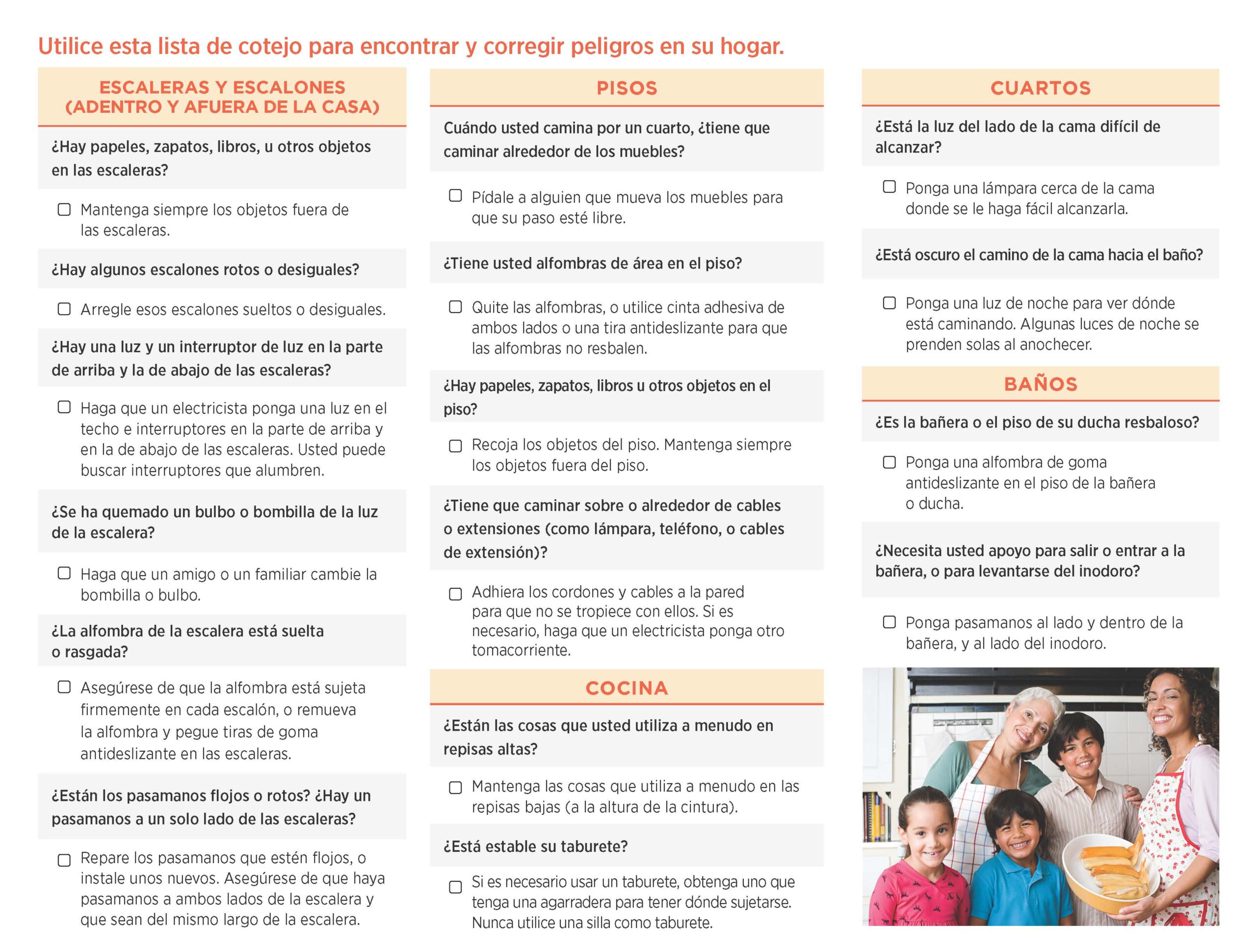
Esta guía sobre la seguridad en el hogar para adultos mayores del Centers for Disease Control and Prevention (CDC) incluye una lista de verificación para imprimir que lo ayudará a evaluar los riesgos en su hogar. Con la mayoría de los adultos mayores de 50 años que viven en hogares de una sola familia, es importante evaluar la seguridad de su hogar. Lo alentamos a realizar un breve “pasillo de seguridad” a través de cada habitación de su hogar. Esté atento para detectar posibles riesgos de incendio, peligros de tropiezos e incluso lugares en los que los medicamentos podrían mezclarse. ¿La buena noticia? ¡Muchos de los cambios de seguridad sugeridos cuestan poco y son fáciles de hacer usted mismo!

Obtenga más información sobre la seguridad en el hogar para adultos mayores en duke.is/seguridad.

checkforsafety-final-spanish-508
NCRBH Print Newsletter Photo 3 (1)

Serie de Videos Gratuitos Sobre el Cuidado de la Demencia

Dementia Alliance of North Carolina y Positive Approach to Care ofrecen videos en línea para personas cuidadoras en Carolina del Norte.

Este programa incluye:

  • 16 módulos de aprendizaje
  • Demostraciones prácticas y técnicas
  • Información actualizada y perspectivas sobre el cuidado

Aproveche esta oportunidad desarrollar para confianza y habilidades como cuidador. Los residentes de Carolina del Norte pueden acceder a este recurso de forma gratuita. Obtenga más información en duke.is/AcceptingtheChallenge.

Recursos de Salud Cerebral

El Registro para la Salud Cerebral de NC contiene una lista de programas que ayudan a personas con demencia y sus cuidadores.
A continuación se muestran algunos ejemplos. Comuníquese con cada organización para obtener más información sobre sus programas y eventos en ncbrainhealth.org/resources/.

Participe en un Estudio de Registro

El Registro de NC conecta a personas con estudios de salud cerebral. Para obtener más información sobre estos estudios y para participar, visite ncbrainhealth.org/registry-studies, escríbanos a NCBrainHealth@duke.edu o llámenos al (919) 613-8633.

Estudios para personas con envejecimiento cerebral normal

  • Medicamentos para el colesterol y la memoria
  • La memoria en latinos

 Encuéntranos en Facebook @ncbrainhealth

2025 Annual Print Newsletter

NCRBH_banner_12may2025

Together, we can improve brain health and defeat dementia.

Stay Informed, Get Involved: Your Brain Health Journey Starts Here

Do you want the latest information on brain health and opportunities to contribute to important research? The NC Registry for Brain Health shares this directly with you! By joining our registry, you’ll be the first to know about breakthroughs in preventing and treating diseases like Alzheimer’s. You will gain access to information about 14 active research studies in North Carolina.

The NC Registry for Brain Health community has grown to over 14,000 strong since 2019, with members across 100 counties in North Carolina. We are committed to connecting with you, and this past year we shared brain health resources and led educational talks at 155 events.

To be sure that you are receiving all of the NC Registry for Brain Health updates, including our monthly email blasts and quarterly newsletters filled with brain health news, caregiver tips, and upcoming events, be sure to share your email address with us today at NCBrainHealth@duke.edu or by calling (919) 613-8633. This printed newsletter features highlights from our email blasts and newsletters from the past year.

Thank you for being a member of the NC Registry for Brain Health!

1

IMPROVING BRAIN HEALTH

Understanding Clinical Research

You have likely heard about the exciting advancements in medical care recently. For the first time, treatments that can slow down Alzheimer’s disease have received FDA approval. Plus, there have been breakthroughs in gene therapies for conditions like cystic fibrosis, and doctors are using artificial intelligence to detect cancer earlier and more accurately.

These advances are the direct result of careful clinical research, which is how we learn to fight diseases and to improve healthcare. Clinical research is especially important in our ongoing search for a cure for Alzheimer’s disease and other types of dementia.

What is clinical research?

In simple terms, clinical research refers to the study of health and illness in people. Clinical research studies:

  • Explore the causes of a disease
  • Develop better ways to diagnose a condition
  • Test new treatments or therapies for a condition
  • Learn more about factors that can impact the risk of getting a disease
  • Study how diseases affect the health of communities

When we think about clinical research, drug trials may come to mind. However, clinical research includes so much more than these types of studies. There are two main types of clinical research: observational studies and clinical trials. Both cover wide areas and are important to developing treatments and improvements in medical care.

Observational studies monitor people in normal everyday settings, but do not test a treatment or intervention. This type of research is done to develop new technology, new diagnostic tests, and to uncover factors in our daily life that may increase or decrease the risk of a disease, such as Alzheimer’s disease.

Clinical trials are research studies that test whether new medical treatments work and are safe. These trials are important because they help us understand if the new treatment or device are better than current ones. These studies also make sure that only safe and effective methods become part of regular medical care, which ultimately leads to better healthcare for everyone. Learn more about clinical research and the different types of research studies at duke.is/NIAClinicalTrials.
NCRBH_icons_2025NL4

Brain Health Podcast Featuring Expert Advice And Real-Life Stories

Brain Talk is a podcast hosted by Deborah Kan, founder of Being Patient, and journalist Mark Niu. They interview experts on brain health and include experiences of real people living with cognitive decline. Their most popular podcasts from the past year can be found on the duke.is/BrainTalk.

Home Safety For Older Adults

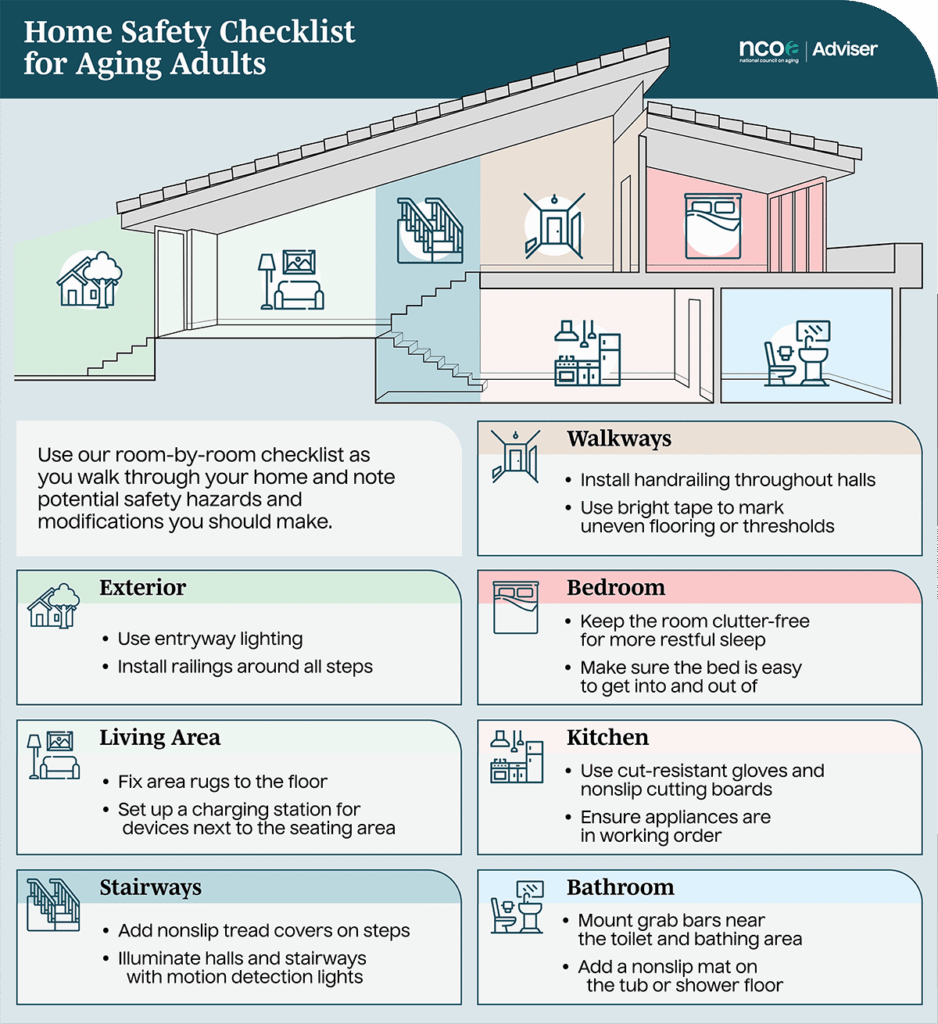
This guide on home safety for older adults from the National Council on Aging features a printable checklist to help you assess your home for risks. With the majority of adults over the age of 50 living in single-family homes, it is important to assess your home’s safety. We encourage you to take a quick “safety stroll” through each room of your home. Keep an eye out for potential fire hazards, tripping dangers, and even places where medications might be mixed-up. The good news? Many of the suggested safety changes cost little and are easy to do yourself!

Learn more about home safety for older adults on the duke.is/HomeSafety.

home-safety-checklist-seniors (1)

Free Dementia Care Educational Video Series for NC Care Partners

Dementia Alliance of North Carolina and Positive Approach to Care are offering their Accepting the Challenge dementia education videos online for family care partners across North Carolina. Led by dementia care experts Teepa Snow and Melanie Bunn, this program features:

  • 16 on-demand learning modules you can stream anytime, anywhere
  • Practical demonstrations and real-world caregiving techniques
  • The latest knowledge and insights into dementia care

Take advantage of this amazing opportunity to gain confidence and skills as a caregiver. North Carolina residents can access this resource for free. Learn more and register at duke.is/AcceptingtheChallenge.


Brain Health Resources

The NC Registry for Brain Health has a list of programs that support people with dementia and their caregivers. There are some examples shown below. Connect with each organization to learn more about their programs and events at ncbrainhealth.org/resources/.

Join A Registry Study

The NC Registry connects people with brain health studies. To learn more about these studies and to participate, please visit ncbrainhealth.org/registry-studies, or contact us at NCBrainHealth@duke.edu or (919) 613-8633.

Studies for People with Normal Brain Aging
Cholesterol Medication and Memory
Cognitive Aging Study
Dance and Music Study
Dementia in African Americans
Eyes and Memory Study
Memory and Aging Study
Memory in Latinos
Neuroimaging Memory Study
Sugar and Brain Energy Study

Studies for People with Memory Problems
Caregiver and Patient Perspectives on Care
Cognitive Training and Memory Problems
Dementia in African Americans

Studies for Caregivers
Caregiver Study (online)
Caregiver and Patient Perspectives on Care
Caregiver Well-Being Study

FIND US ON FACEBOOK! @ncbrainhealth

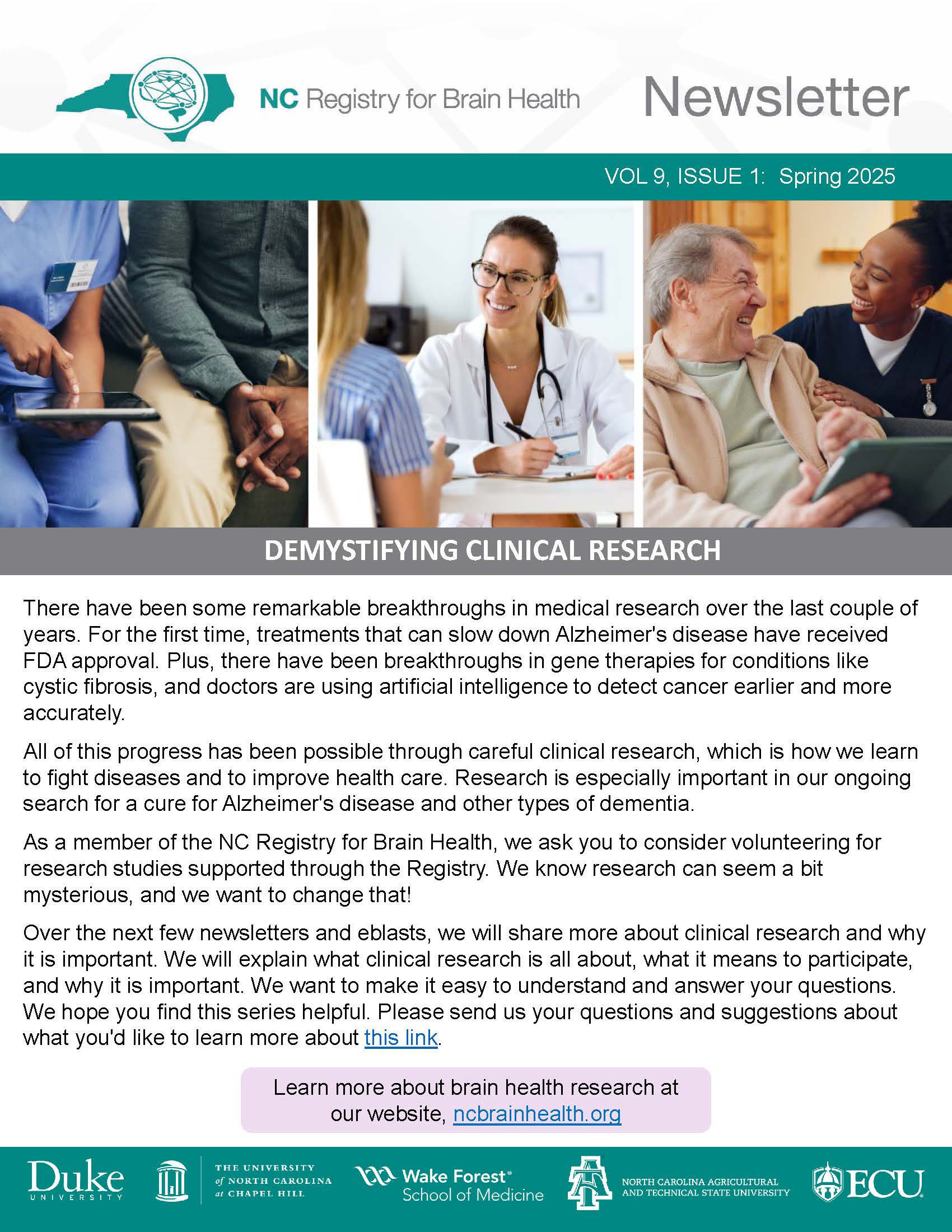
Spring 2025 Newsletter

We invite you to read this spring edition of the Registry's newsletter to learn about clinical research and a variety of other topics, including:

  • A brain health podcast with expert advice and real-life stories
  • Free dementia care video series for NC care partners
  • Upcoming events on managing the daily life with someone who is experiencing memory changes and a free seminar on dementia
  • The annual Triangle Walk to Defeat Dementia

Winter 2024 Newsletter

We invite you to read the special holiday edition of the Registry’s quarterly newsletter to learn about a variety of topics, including:

  1. Good habits to maintain during the holidays
  2. Holiday tips for caregivers
  3. Gift ideas for loved ones who are caregivers or are living with dementia
  4. Fun activities to do with your family and friends

Click here to view the full newsletter and join us on Facebook.

Fall 2024 Newsletter

We invite you to read this fall edition of the Registry’s newsletter to learn about healthy eating and information on a variety of topics, including:

  • Lifestyle changes in patients with early-stage dementia
  • The impact of Alzheimer's disease on Latinos
  • Vascular dementia
  • Upcoming events on healthy eating, grief in dementia caregiving, and the annual Walks to End Alzheimer's

Click here to view the full newsletter and join us on Facebook.

Boletín Anual Impreso 2024

NCRBH_socialcover_02may2024

REFLEXIÓN SOBRE EL AÑO PASADO

En este boletín informativo, se resumen las noticias compartidas por el Registro de salud cerebral de Carolina del Norte durante el último año. Tenemos muchos logros por celebrar y estamos muy agradecidos con personas como usted que apoyan este importante trabajo de mejorar la salud cerebral. Algunos de los logros del año pasado son:

  • El Registro creció y ahora incluye a más de 12,000 miembros.
  • Nuestro equipo se conectó con comunidades diversas en más de 130 eventos en Carolina del Norte y dio recursos gratuitos y charlas educativas.
  • Miembros del Registro participaron en los descubrimientos importantes de
    16 estudios clínicos. Para más información sobre nuestros estudios clínicos, visite ncbrainhealth.org/registry-studies.

Esperamos que la información en este boletín informativo le ayude a aprender más
sobre la salud cerebral (página 2), los estudios clínicos (página 3) y las organizaciones locales que apoyan a las personas con demencia y sus cuidadores (página 4).

¡GRACIAS POR SER PARTE DE NUESTRA COMUNIDAD!

Para recibir noticias mensuales en inglés sobre la salud cerebral, consejos para cuidadores e información sobre actividades para la comunidad, escríbanos a NCBrainHealth@duke.edu o llámenos al (919) 613-8633.

CÓMO MEJORAR LA SALUD CEREBRAL

EL EFECTO DE LA MÚSICA EN EL CEREBRO

Escuchar música activa regiones del cerebro que participan en el procesamiento de los sonidos, el lenguaje y la gratificación. En un estudio, se descubrió que participar en un coro comunitario aumentó la autoestima, el sentido de pertenencia y el interés en la vida de los participantes. También redujo los sentimientos de soledad. Otros estudios están explorando el uso de la música para ayudar a aliviar los problemas de sueño y agitación en personas con demencia. Visite bit.ly/music_brain_aging para obtener más información.

Group Of Mature Friends Sitting Around Fire And Singing Songs At Outdoor Campsite

CUÍDESE COMO CUIDADOR

Tomarse tiempo para usted puede convertirlo en un mejor cuidador. El Instituto Nacional del Envejecimiento recomienda varias actividades para los cuidadores para mejorar su bienestar, disminuir el estrés y crear una red de apoyo. Reconozca su dedicación y busque ayuda cuando la necesite. Obtenga más información en bit.ly/CaregiversNIA.

Para más información sobre una organización que apoya a cuidadores en Carolina del Norte y da charlas educativas por Zoom en inglés visite dukefamilysupport.org.

DIETAS QUE POSIBLEMENTE DISMINUYEN

En un estudio financiado por el Instituto Nacional del Envejecimiento (National Institute on Aging, NIA), se descubrió que las dietas con alto contenido de verduras, frutas, granos enteros, aceite de oliva, frijoles, frutos secos y pescado pueden ayudar a proteger el cerebro de los efectos de la enfermedad de Alzheimer. El cerebro de los participantes del estudio que consumían dietas con más contenido de verduras de hojas verdes, como espinaca, col rizada y lechuga romana, tenía menos signos de la enfermedad de Alzheimer. Lea más en bit.ly/HealthyFoodsNIA.

lightbulb

CONSEJOS PARA LA SALUD CEREBRAL

En nuestra página web puede explorar más consejos sobre cómo mantener su cerebro sano y su memoria intacta.

Visite ncbrainhealth.org/brain-health-tips para obtener más información.

¿QUÉ SON LOS ESTUDIOS CLÍNICOS?

Los estudios clínicos ayudan a los científicos a encontrar nuevas formas de prevenir, diagnosticar y tratar enfermedades. Muchos tratamientos utilizados en la actualidad no existirían sin voluntarios que participaron en estudios de investigación. Visite bit.ly/NIA-research para obtener más información.

El Registro de Carolina del Norte conecta a personas con estudios clínicos sobre diferentes aspectos de la salud cerebral. Para obtener más información sobre estos estudios y participar, visite ncbrainhealth.org/registry-studies, escríbanos a ncbrainhealth@duke.edu o llámenos al (919) 613-8633.

Family, portrait and child with grandparents in a living room, hug and happy, love and sweet while bonding in their home. Embrace, grandchild and grandmother with grandfather in a lounge hugging
olvido-normal-demencia

¿QUÉ TIPO DE OLVIDOS SON NORMALES Y CUÁLES NO LO SON?

Olvidar un nombre ocasionalmente o dónde dejó algo puede ser parte del proceso normal de envejecimiento. Pero si esto sucede con frecuencia y también se observan otros cambios, como olvidar qué día o qué hora del año es o tener problemas para hablar con alguien, puede ser un signo de problemas de memoria más graves. Visite bit.ly/NIA-Aging para obtener información sobre el proceso normal de envejecimiento y los signos de deterioro cognitivo leve, la enfermedad de Alzheimer y otras formas de demencia.

El Registro de salud cerebral conecta a personas con estudios clínicos sobre diferentes aspectos de la salud cerebral. Dos de los estudios clínicos están disponibles en español:


Latinos, Memoria y Pensamiento (LAMP)

LAMP es un estudio clínico que busca entender cómo las personas que hablan español y viven en los Estados Unidos se desempeñan en las pruebas de memoria y otras habilidades del pensamiento. Si tiene entre 60 y 85 años, habla español y es hispano/a o latino/a, es posible que pueda participar.

Estudio de prevención de la demencia - PREVENTABLE

PREVENTABLE es un estudio clínico que está investigando si tomar un medicamento para el corazón de uso común llamado estatina podría ayudar a prevenir la demencia en personas de 75 años o más.


Para obtener más información sobre estos estudios clínicos y los que están disponibles en inglés, visite ncbrainhealth.org/registry-studies, escríbanos a ncbrainhealth@duke.edu o llámenos al (919) 613-8633.

DÓNDE ENCONTRAR AYUDA

La página web del Registro de Carolina del Norte contiene una lista de organizaciones y programas de apoyo para las personas con demencia y sus cuidadores. Comuníquese con cada organización para obtener más información sobre sus programas y eventos en ncbrainhealth.org/resources.


Asociación de Alzheimer

Proporciona información y apoyo para las personas con Alzheimer y sus seres queridos.
Sitio web: ALZ.org
Línea de ayuda las 24 horas del día, los
7 días de la semana: (800) 272-3900


Alianza para la Demencia de Carolina del Norte

Ofrece apoyo compasivo a aquellos que viven con demencia o a quienes cuidan de personas con demencia.
Sitio web: DementiaNC.org
Teléfono: (919) 832-3732


¡ENCUÉNTRENOS EN FACEBOOK! @ncbrainhealth