The Hidden Toll: Depression Among Dementia Caregivers

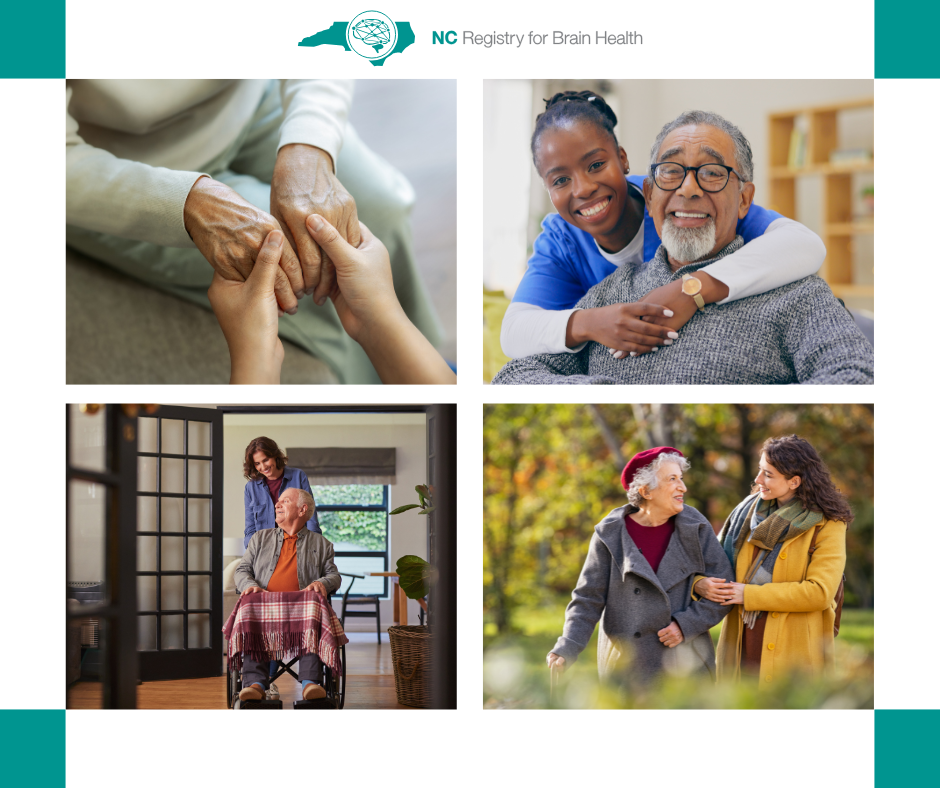
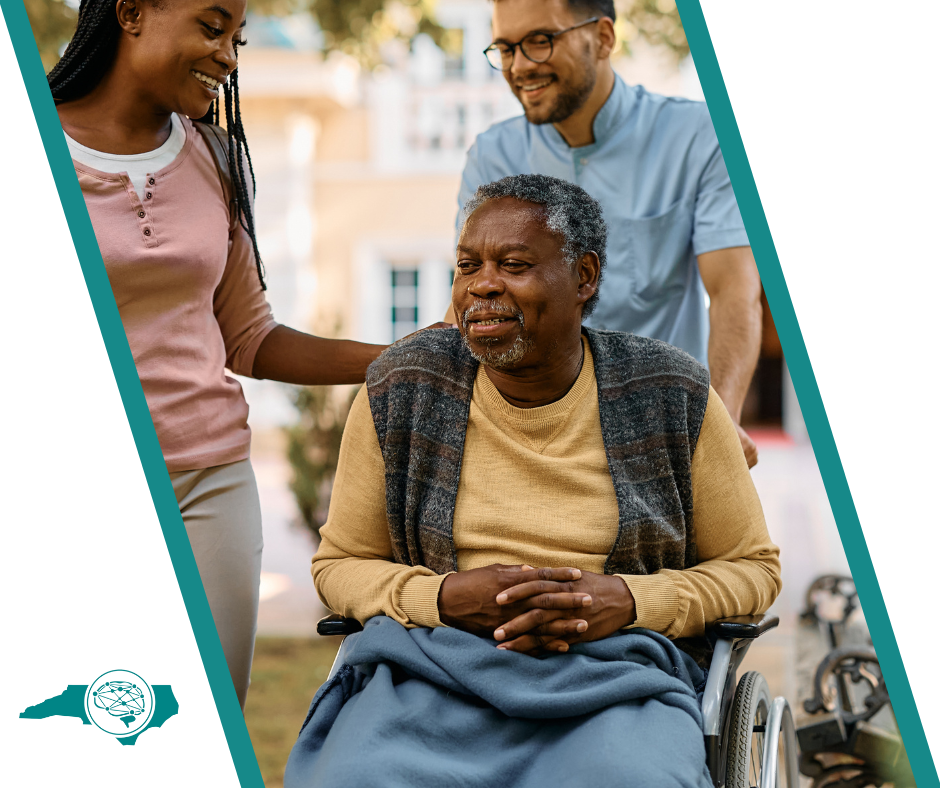
Caregivers of people with dementia are at greater risk for depression. The National Health and Aging Trends Study (NHATS) and the National Study of Caregiving (NSOC), two research studies involving 526 people, recently identified some factors that may help lower caregivers' risk of depression. They found participating in caregiver training and having a partner, spouse, and friends to talk to lowered the risk of depression.

Experts highlight the importance of acknowledging the challenges that caregivers face and ensuring they have access to mental health support, respite care, and community resources.

To learn more about this research, visit this link.

The Duke Dementia Family Support Program provides tailored support for those caring for someone with dementia. This program is available to folks with or without a connection to Duke Health. To learn more, visit their website.


Nov Eblast_The hidden toll

Caregivers Know Best: Dementia Programs Beat “Usual Care”

Dementia caregivers are asking for personalized help, and it works. New findings confirm that caregivers feel most supported when they receive resources and guidance tailored specifically to their situation and the unique challenges of dementia. Providing this focused support benefits both the caregiver's well-being and the person they care for.

To read the full article, visit this link. You can also read the full scientific article at this link.

Nov Eblast_Caregivers know best

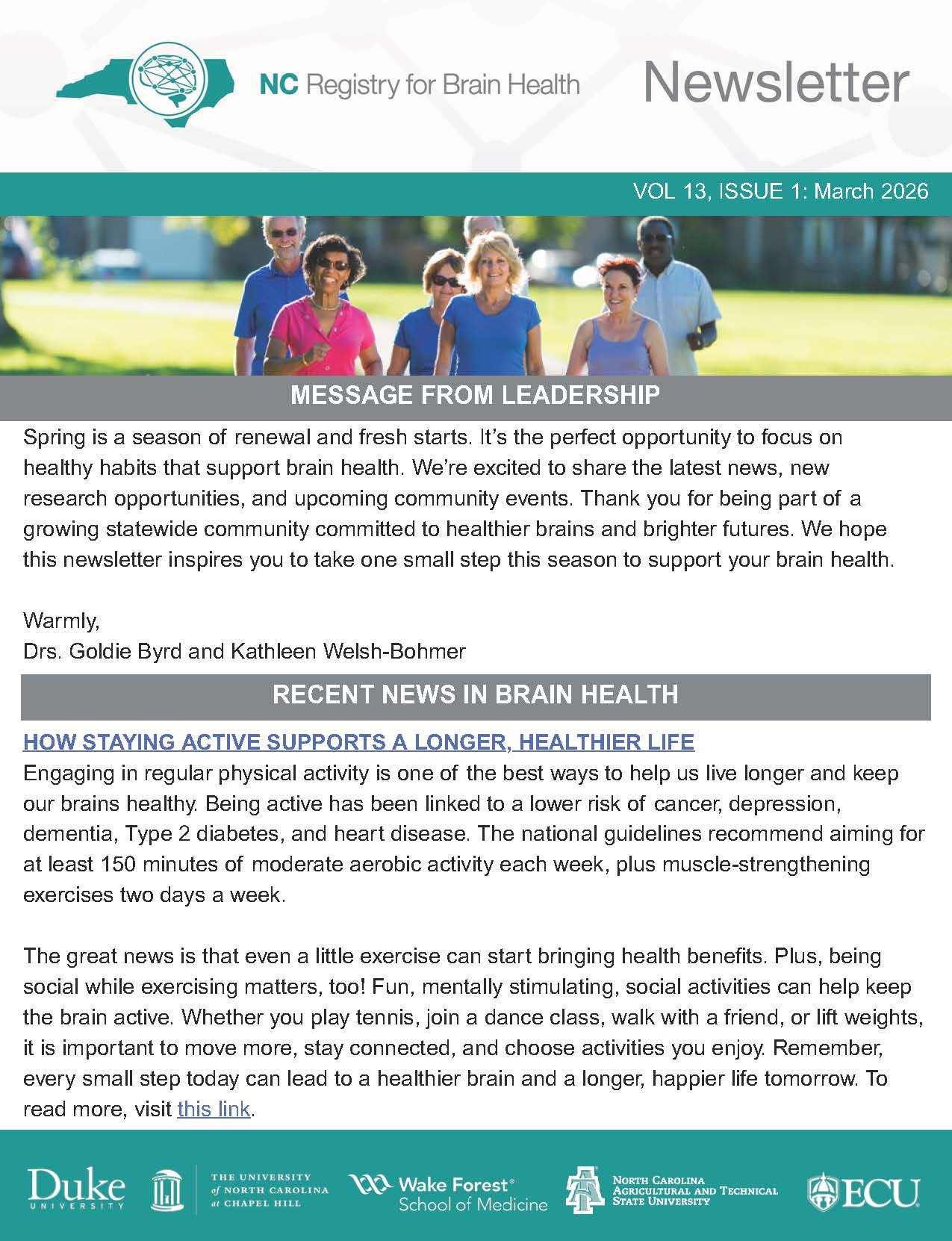
Winter 2025 Newsletter

The winter’s edition of the NC Registry for Brain Health newsletter highlights a year of significant progress in Alzheimer’s disease research and healthy aging. In this issue, you’ll find:

  • Highlights of scientific breakthroughs in Alzheimer’s disease, including the FDA’s approval of the first simple blood test for Alzheimer’s biomarkers
  • Practical guidance on preventing falls and an overview of new technologies that help older adults stay safer and more active, even during colder months!
  • Tips for caregivers navigating a stressful holiday season, plus links to healthy recipes
  • Upcoming community events

Thank you for your valuable partnership and ongoing support of brain health research. Your involvement makes a difference and helps move this important work forward.

Click here to view the full newsletter and join us on Facebook.


Junk Food and the Brain: A Recipe for Memory Loss

A recent study by researchers at UNC Health shows that eating too much processed and high-fat "junk food" impacts your brain health. Researchers studied mice on a high-fat diet of fast foods, chips, and sugary snacks. In only four days, they noticed the mice were experiencing faster cognitive decline and memory issues.

The good news is that choosing healthier foods—such as vibrant fruits, crunchy vegetables, lean proteins, and hearty whole grains—can help protect your brain.

To learn more, visit this link.

Nov Eblast_Junk food and the brain

Can Microplastics Cause Dementia?

A new report has brought microplastics, those incredibly tiny pieces of manufactured or broken-down plastic, into the conversation about brain health. The study found that the brain concentration of microplastics were ten times higher in patients who died from dementia compared to similar-aged patients without dementia at death.

While this discovery does not prove that microplastics cause dementia, it raises important questions: Does dementia lower the brain's defenses, allowing more microplastics into the brain, or are these small microplastics playing a role in the disease? While researchers investigate this complex link, it serves as a timely reminder that we can all take simple steps to reduce our daily exposure to microplastics. To learn more, visit this link.

Nov Eblast_Can microplastics cause dementia

Move Together, Heal Together

Providing care for someone can be taxing both body and mind. But a recent AARP article offers encouraging evidence that physical activity isn’t just good medicine for those who receive care. Physical activity helps caregivers too. Simple, regular movement, such as walking, gentle strength exercises, or tai chi can uplift mood, sharpen cognition, reduce stress, and support independence. When caregivers join their family members or friends in physical activities, they build connection and mutual support, helping to stay strong and build resilience. It’s more than exercise—it’s a shared path to wellness that benefits everyone involved.

To read the full article on the benefits of exercise for care recipients and care partners, visit this link.

Oct Eblast_Move Together, Heal Together

Carving Out Space in the Midst of Caregiving

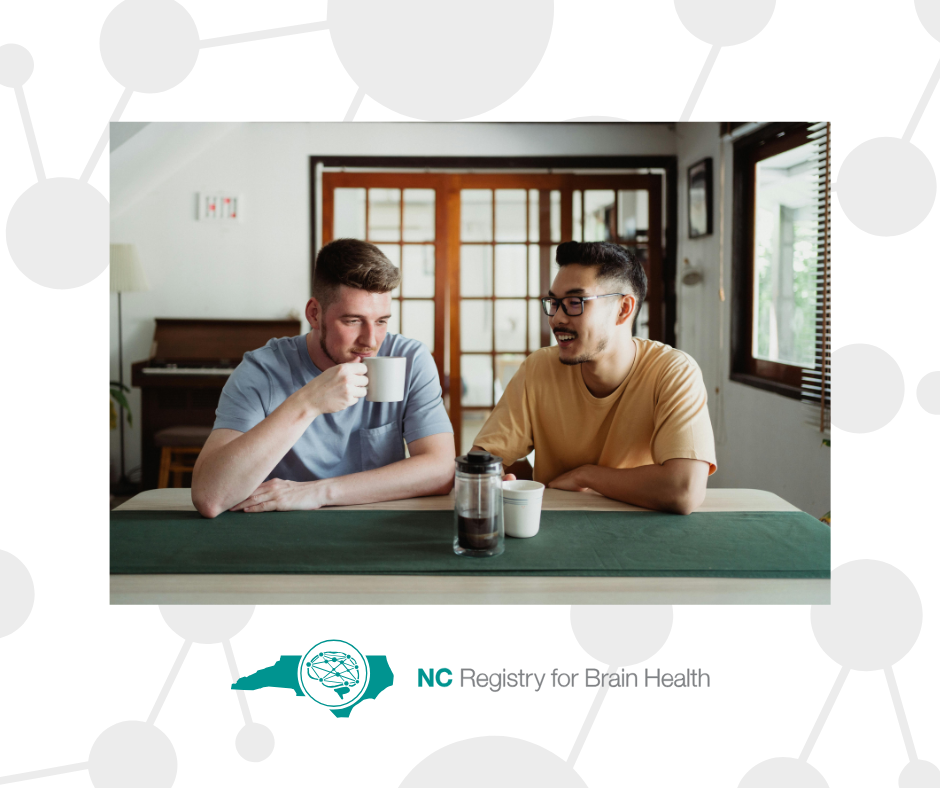
If you’re caring for someone daily, you know life can feel like a never-ending ‘to-do list’, filled with appointments, medications, and unplanned crises. Peter Rosenberger's moving AARP essay reminds us that when caregiving squeezes life into the “micro,” the bigger picture, our values, and who we are can get lost. Rosenberger recommends building a perch – a small physical, mental, or spiritual space – where you can step away from the chaos. It might be a quiet moment, a walk, a favorite song, or a trusted friend who listens. These moments aren’t escapes; they’re essential reminders that life is more than just survival. In the midst of caregiving, you deserve time to just be.

To learn more about carving space out for yourself while caregiving, visit this link.

Oct Eblast_Carving Out Space in the Midst of Caregiving

Lifelong Social Experiences Shape Brain Health

A groundbreaking study from Trinity College Dublin highlights how adverse social experiences such as limited education, food insecurity, financial stress, limited access to healthcare, and traumatic events across life can have lasting effects on mental and cognitive health. Researchers found that experiencing more adverse events over a lifetime is linked to poorer cognition, mental health, and changes in brain structure, especially in people living with dementia. Importantly, the study emphasizes that dementia prevention should begin early, suggesting that improving social conditions and social support from childhood onward can build brain health that lasts a lifetime.

To learn more about this research, visit this link.

Oct Eblast_Lifelong Social Experiences Shape Brain Health

Sweeteners and Your Brain: A Bitter Truth

A recent study raises concerns about the effects of low- and no-calorie sweeteners on cognitive health. This long-term study found that regular consumption of low- and no-calorie sweeteners was linked to faster cognitive decline. Individuals who consumed the largest amount of these sweeteners had a 62% increase in the rate of cognitive aging compared to those who did not use these sweeteners. Although this study does not establish a direct cause-and-effect relationship, it highlights the need for further research into the neurological impacts of these widely consumed additives.

To learn more about the study, visit this link.

Oct Eblast_Sweeteners and Your Brain

Fall 2025 Newsletter

We invite you to read this fall edition of the Registry’s newsletter to learn about key takeaways from the Alzheimer's Association International Conference (AAIC) and a variety of other topics, including:

  • Studies finding benefits in following healthy lifestyle approaches for brain health
  • Advances in blood-based biomarker tests
  • A story of how one man lives well with early-onset Alzheimer's
  • Upcoming events for caregivers and others who want to learn more about brain health and advances in Alzheimer's treatments

Click here to view the full newsletter and join us on Facebook.